
Gondar – The Ancient City Of Ethiopia
Gondar, the ancient city of Ethiopia, was the country’s rich and powerful capital from 1636 to the 18th century, and it is famous for Fasilides Castle, the Felasha Village and Debre Birhan Selassie Church. On the afternoon of my 28th birthday, I decided to take a little road trip from Bahir Dar to Gondar, the historic city to the north. Here is how I spent two days there, with the costs I paid.
First Impressions of Gondar
Much to my surprise, Gondar was nothing like what I had imagined. Chaotic streets, crowded shops and plenty of restaurants quickly debunked the image I had painted of a laid-back city, something more like Bahir Dar.

Gondar (also spelt Gonder) is the fourth largest city in Ethiopia. People often stop for a night or two to tour the renowned Fasilides Castle and other historic buildings before heading to Debark for Simien tours.
Getting to Gondar and Where I Stayed
After a nerve-shattering four-hour journey from Bahir Dar, I decided to find a place to stay by getting a first-hand impression rather than browsing other people’s reviews. I walked with my backpack slung over my shoulders towards the centre of the city, Meskel Square, where Fasilides Castle is located.
- WiFi: only a handful of hotels, such as Central Gondar, offer WiFi.
- My stay: I checked in to a local backpackers, what Ethiopians call a “pension”. Most rooms have shared toilets and showers, but at 50 ETB per night it was ideal for my 2 nights in the city.
Day 1: Felasha Village (Wolleka)
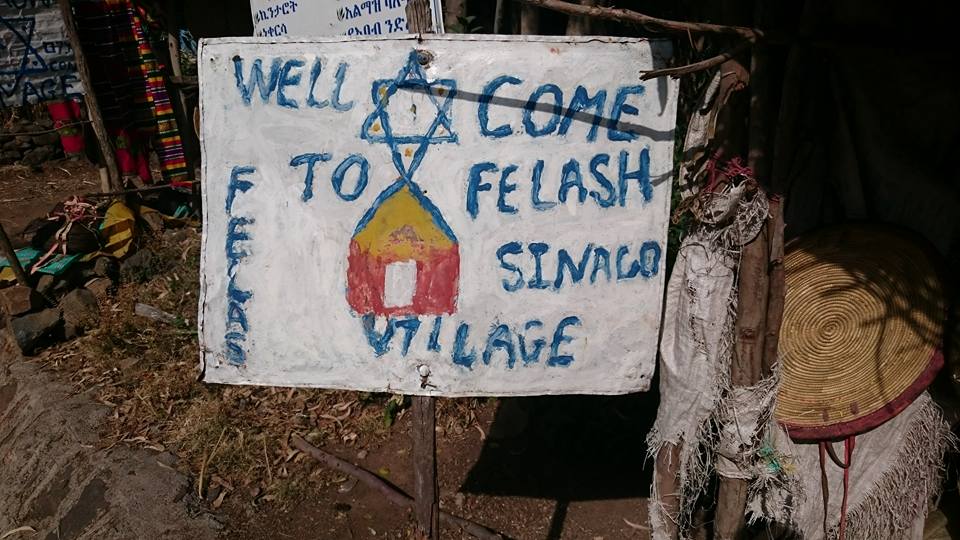
I started my day at the Felasha Village, locally called Wolleka, home to the Beta Israel (Beit Israel), the Jewish community of Ethiopia. It is five kilometres from the centre of Gondar, and a one-way ride on a bajaj (tuk-tuk) cost me 25 ETB. The village was once home to a thriving Jewish population, but their numbers declined from the 1980s and none remain today.
The Pottery Workshops
My first of the three main points of interest was the pottery, for which the Felashas were once famous. The Project Ploughshare Women’s Crafts Training Center helps disadvantaged women revive this art to support their needs.
There are various outlets, from pottery to silk weaving to arts and crafts. The embassies of Japan and the United States have shown their support by donating a couple of machines to enhance the work.
The Village and Synagogue
Just across the street sits the charming Felasha village, where houses made of mud and grass have interesting artwork on their fronts, along with a small synagogue. The villagers charge 10 ETB to walk you through their houses.
The Ancient Jewish Cemetery
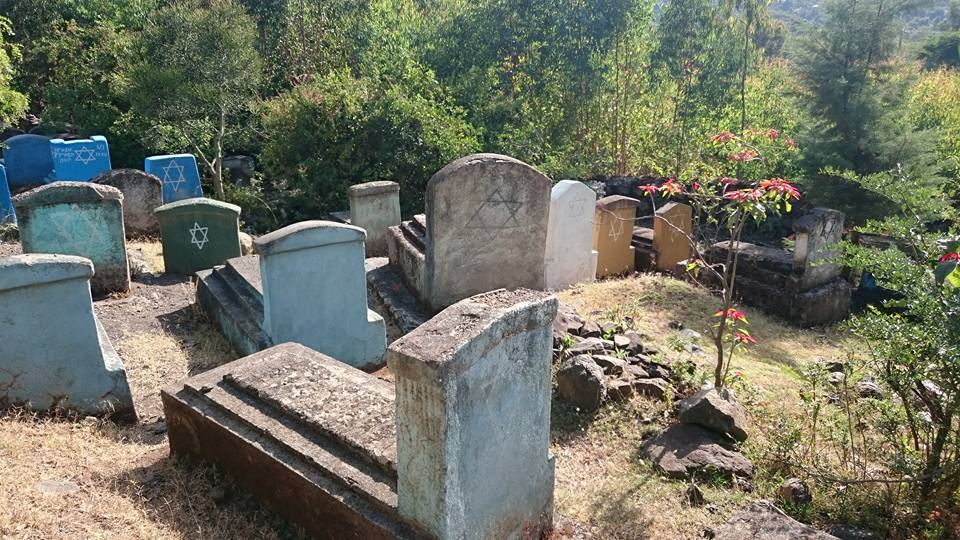
A little way from the village, across a dried riverbed, is the third point of interest: the ancient Jewish cemetery, which is no longer active.
Fasilides Castle, Gondar’s Famous Landmark
My next stop was the renowned Fasilides Castle, built in 1640 as the home of King Fasilides, for whom the city is known.
- Entrance fee: 200 ETB
- Guide: not mandatory, but recommended, for another 200 ETB

Fasilides Bath
The castle ticket includes entry to Fasilides Bath, which once served as King Fasilides’ bath. Today it is used for baptisms during Timket, the Ethiopian Orthodox celebration of Epiphany, held on the 19th of January every year.
Day 2: Debre Birhan Selassie Church
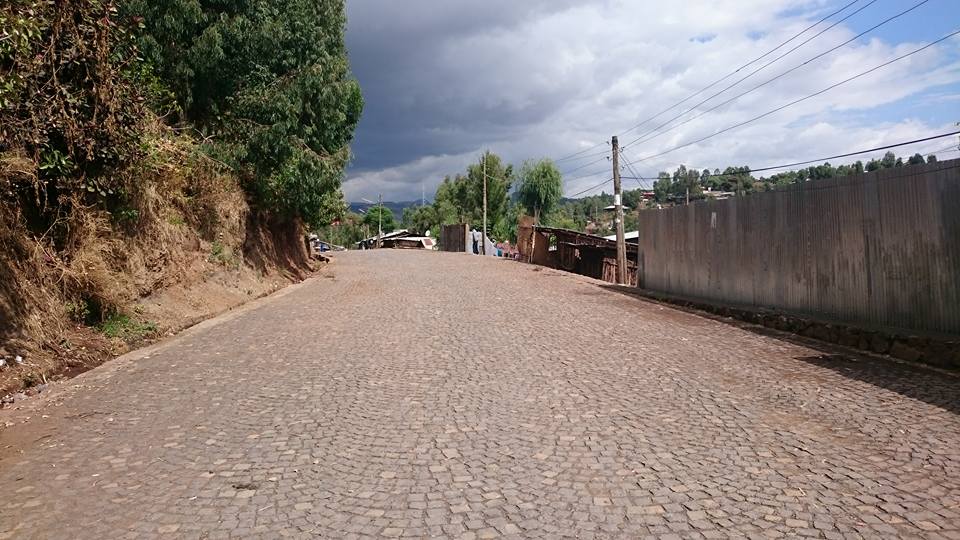
I saved my second and last day for my final stop in Gondar, Debre Birhan Selassie Church. It was a short walk from the city centre through the cobblestoned streets of a shanty neighbourhood.
I was quite intimidated by the area at first, but it was totally safe. The villagers did their best to guide me to the church with their broken English and my few words of Amharic.
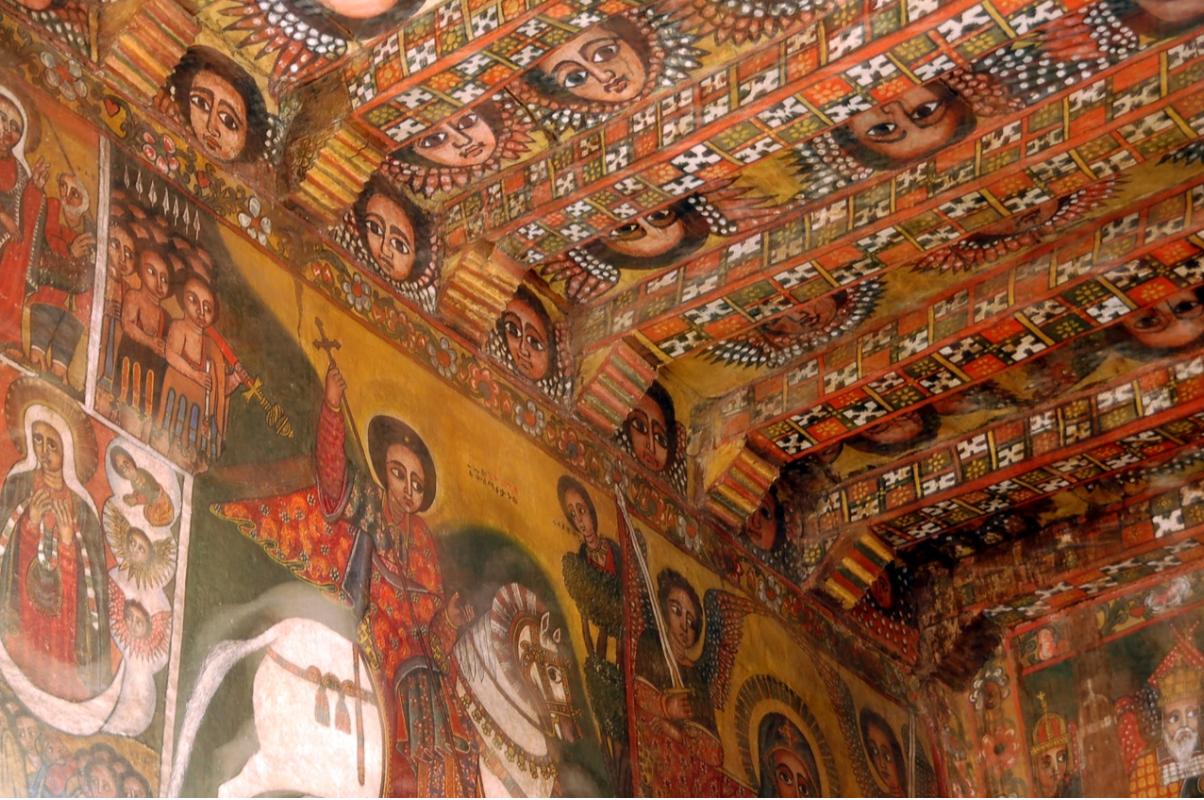
Debre Birhan Selassie Church was built at the end of the 17th century. Twelve towers guard the church, each representing one of the twelve apostles. The ceiling is painted with angels, and the walls are covered with religious images. There is a 100 ETB fee to visit this ancient church.
Gondar Costs at a Glance
| Item | Cost |
|---|---|
| Pension (shared bathroom), per night | 50 ETB |
| Bajaj to Felasha Village, one way | 25 ETB |
| Felasha village house walk | 10 ETB |
| Fasilides Castle (includes Fasilides Bath) | 200 ETB |
| Castle guide (optional) | 200 ETB |
| Debre Birhan Selassie Church | 100 ETB |
Frequently Asked Questions
How long does it take to get from Bahir Dar to Gondar?
My road trip from Bahir Dar to Gondar took about four hours.
How many days do you need in Gondar?
Most people stay a night or two. Two days was enough for me to see the Felasha Village, Fasilides Castle and Debre Birhan Selassie Church.
How much is the entrance fee for Fasilides Castle?
I paid 200 ETB, which included Fasilides Bath, plus an optional 200 ETB for a guide.
Conclusion
Gondar is certainly not a place to miss while travelling in Ethiopia. As the capital of Ethiopia from 1636 to the 18th century, it is packed with castles, churches and history, and it makes a perfect stop before heading on to the Simien Mountains.




Those paintings inside the church look really incredible. Love how rich the history of this place is.
Very interesting, I’ve not read about a write up remotely close to Ethiopia! I wonder what happened to the Jewish people, did they lose their faith or migrate somewhere else?
Akid
Asianboyastray.com
Loved reading this! I don’t think I’ve ever read a blog post centered around travelling in Ethiopia, so I found this super interesting. It just reminds me of how much more of this world I have to explore haha.
Wow, I’ve never seen a church in that style of art before. Ethiopia looks beautiful, well worth a visit. Thanks for all the information 🙂
I love these places with a rich history. Though most people relate more to ancient Greek or Roman history. Your post provides some valuable insights and pointers to Ethiopian history and culture. The castle looks fascinating too.