
Mumbai City Guide
Quick answer: This Mumbai city guide covers how to get there, how to move around on the famous local trains, what to see from the Gateway of India to the Elephanta Caves, what to eat, where to stay and an easy getaway to Lonavla. Mumbai is India’s commercial capital, a hub for Bollywood and a city that never sleeps.
Mumbai offers a unique charm of distinct culture and diverse traditions, and it has long been home to some of the richest people on the subcontinent. You can easily get along with the locals, as most are friendly, helpful and converse well in English.
Mumbai at a Glance
- Currency: Indian Rupee (INR)
- Exchange rate at the time of writing: 1 USD = 65 INR
- Language: English is widely spoken
- Known for: Bollywood, British-era architecture, street food and a city that never sleeps
How to Get to Mumbai
Mumbai’s main international gateway is Chhatrapati Shivaji International Airport. You can also reach the city by train from different parts of the country, or by road from neighbouring cities like Goa and Pune.
Moving Around Mumbai
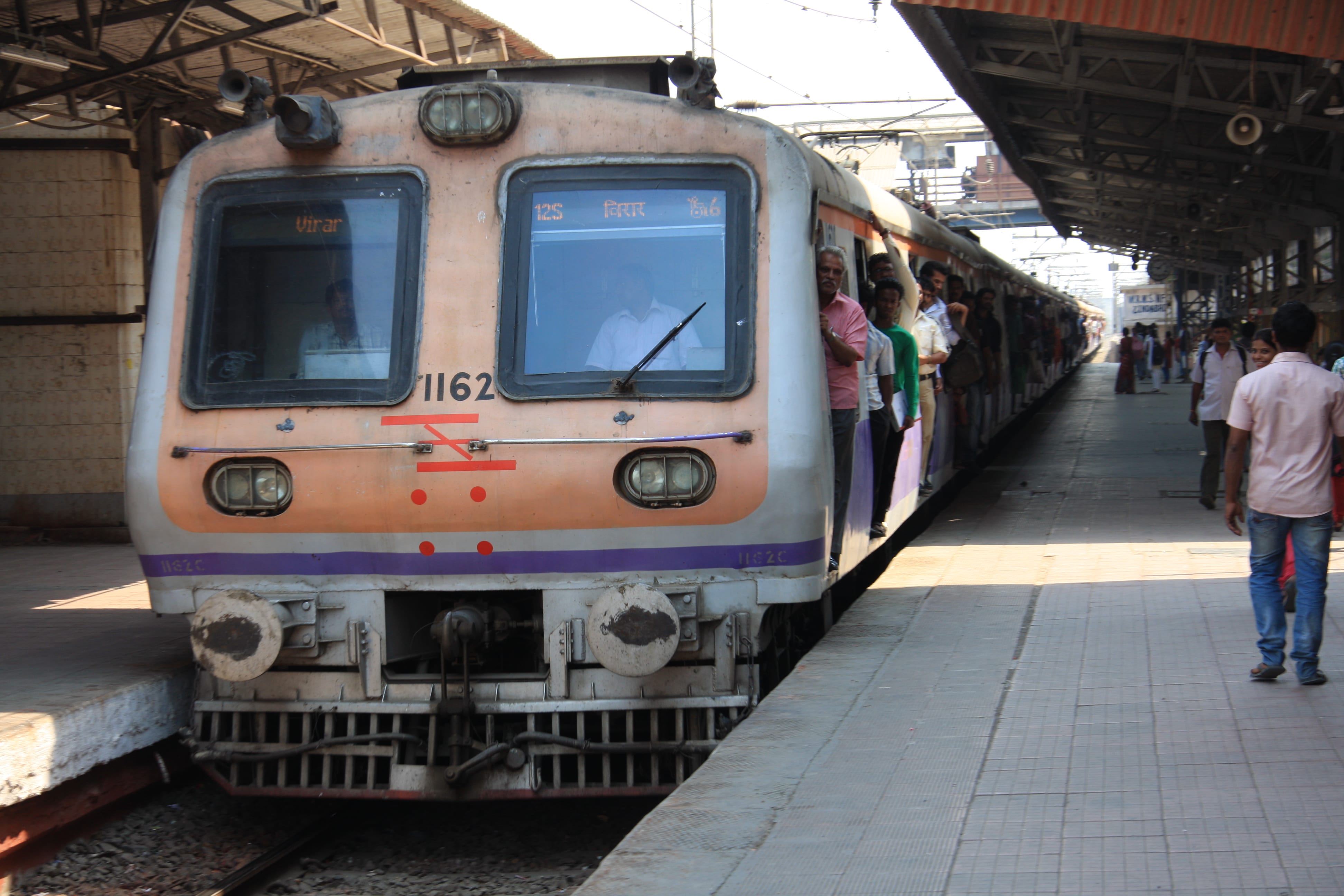
The city’s lifeline is the Mumbai Local Railway. Unlike metros in other parts of the world, Mumbai’s local train system has a unique charm of its own. These open trains connect almost every corner of the city and suburbs.
They are cheap, convenient and an experience of their own kind. Be prepared, though: the trains are crowded to the core during peak hours.
Other ways to get around include:
- Buses
- Black and yellow taxis
- Tuk-tuks, locally known as auto rickshaws, found widely in the suburbs
What to See in Mumbai
Ready to face the “culture shock”? Mumbai has it all for you.
British-Era Architecture
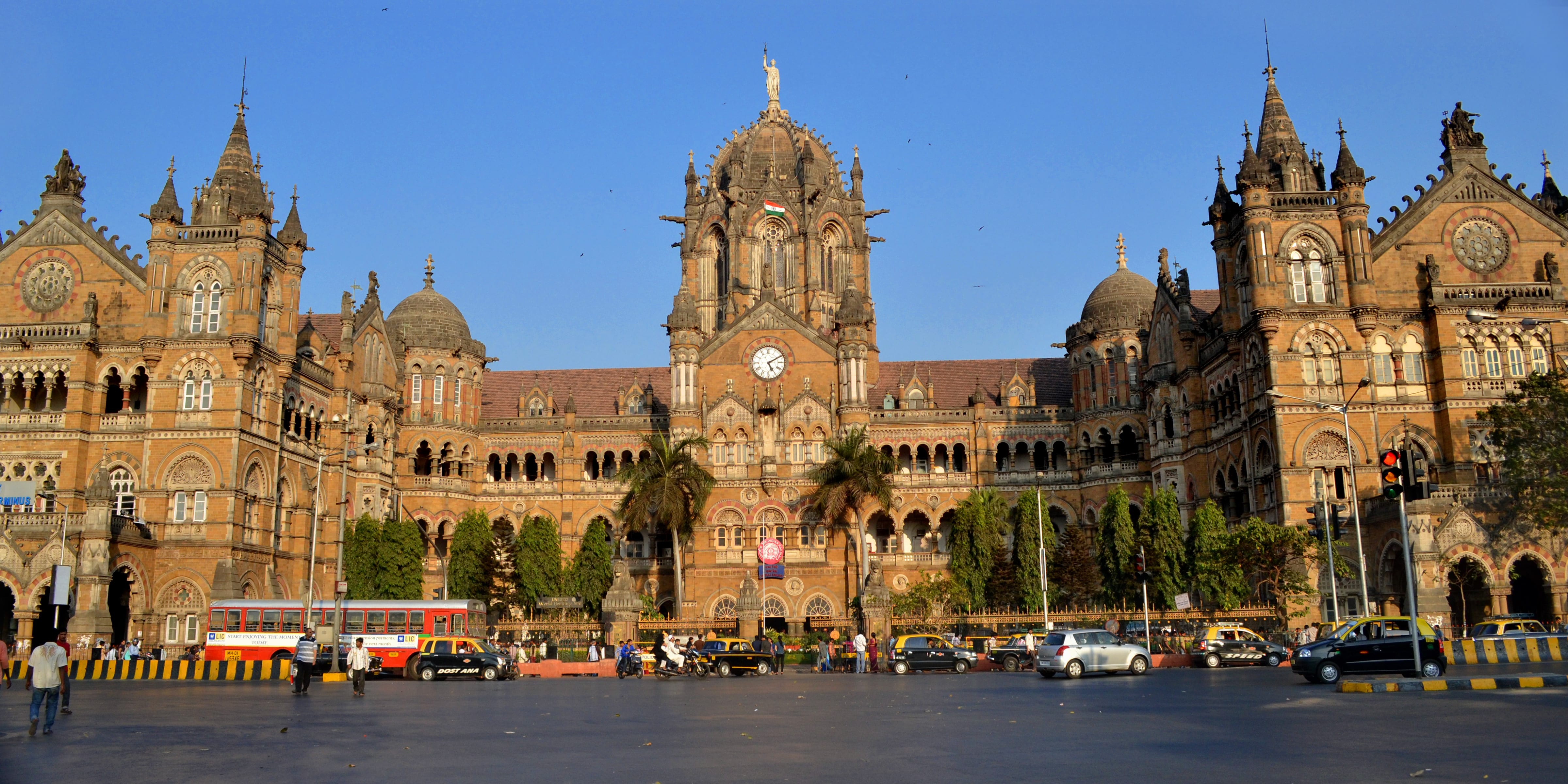
The enchanting Gateway of India, the iconic Chhatrapati Shivaji Terminus train station (formerly Victoria Terminus) and the Bombay High Court buildings are reminders of the British architecture in the city.
Antilia
Antilia is reportedly the most expensive home in the world. Owned by business tycoon Mukesh Ambani, it is worth an estimated $1bn, stands 27 storeys high and has three helipads.
Elephanta Caves
Interested in history? Take a boat from the Gateway of India to the Elephanta Caves and see their rock-cut architecture, which has been dated to between the 5th and 8th centuries.
Sanjay Gandhi National Park
Does nature fascinate you? Visit the Sanjay Gandhi National Park for its exquisite scenery and rare wildlife.
What to Eat in Mumbai
Reward your taste buds with some of the many local delicacies. “Indian food is too spicy” is something you will hear from most people, but I would say that is not the case.
Snack on street-side fast food like Pani Puri, Vada Pav or Samosa.

Where to Stay in Mumbai
Mumbai hosts its guests in everything from the most plush hotels to the cheapest backpacker pods. Backpackways recommends Chateau Windsor Hotel for its location and economical tariff.
Get Out: Day Trip to Lonavla
Lonavla is a picturesque hill station 83 km from Mumbai. You can ride a bus there, or book yourself on the train that runs this route regularly.
Frequently Asked Questions
What is the best way to get around Mumbai?
The Mumbai Local Railway is the city’s lifeline: cheap, convenient and connected to almost every corner of the city. Avoid peak hours if you can, as the trains get extremely crowded.
Is English spoken in Mumbai?
Yes. Most people are friendly, helpful and converse well in English.
What street food should I try in Mumbai?
Try Pani Puri, Vada Pav and Samosa.
How do you get to the Elephanta Caves?
Take a boat from the Gateway of India.
Conclusion
With its colonial landmarks, ancient caves, street food and buzzing local trains, Mumbai packs a lot into one city. Use this Mumbai city guide to plan your visit, and save a day for the hills of Lonavla.