What to see in Valencia, Spain
Quick answer: The top things to see in Valencia, Spain are Plaza de la Reina and Plaza de la Virgen, the Miguelete tower, the Silk Exchange (La Lonja), the Central Market, the Turia gardens with the Serranos and Quart Towers, the City of Arts and Sciences and, just outside the city, the Albufera Natural Park. Two full days covers the essentials; a third lets you add the Albufera.
In this article I will tell you everything you need to organise a trip to Valencia. It is not often listed among the most beautiful cities in Spain, but I assure you it has enormous historical and monumental appeal, which makes it an ideal weekend getaway.
How Many Days Do You Need in Valencia?
Visiting Valencia requires a minimum of two full days. That is enough to see the most important monuments, parks and museums. The historic centre is fairly compact, so you will not waste much time getting around.
If you have a third day, as we did, it is worth using it for an excursion to the Albufera Natural Park, barely half an hour from the city in a beautiful setting. More on that below.
What to See in Valencia
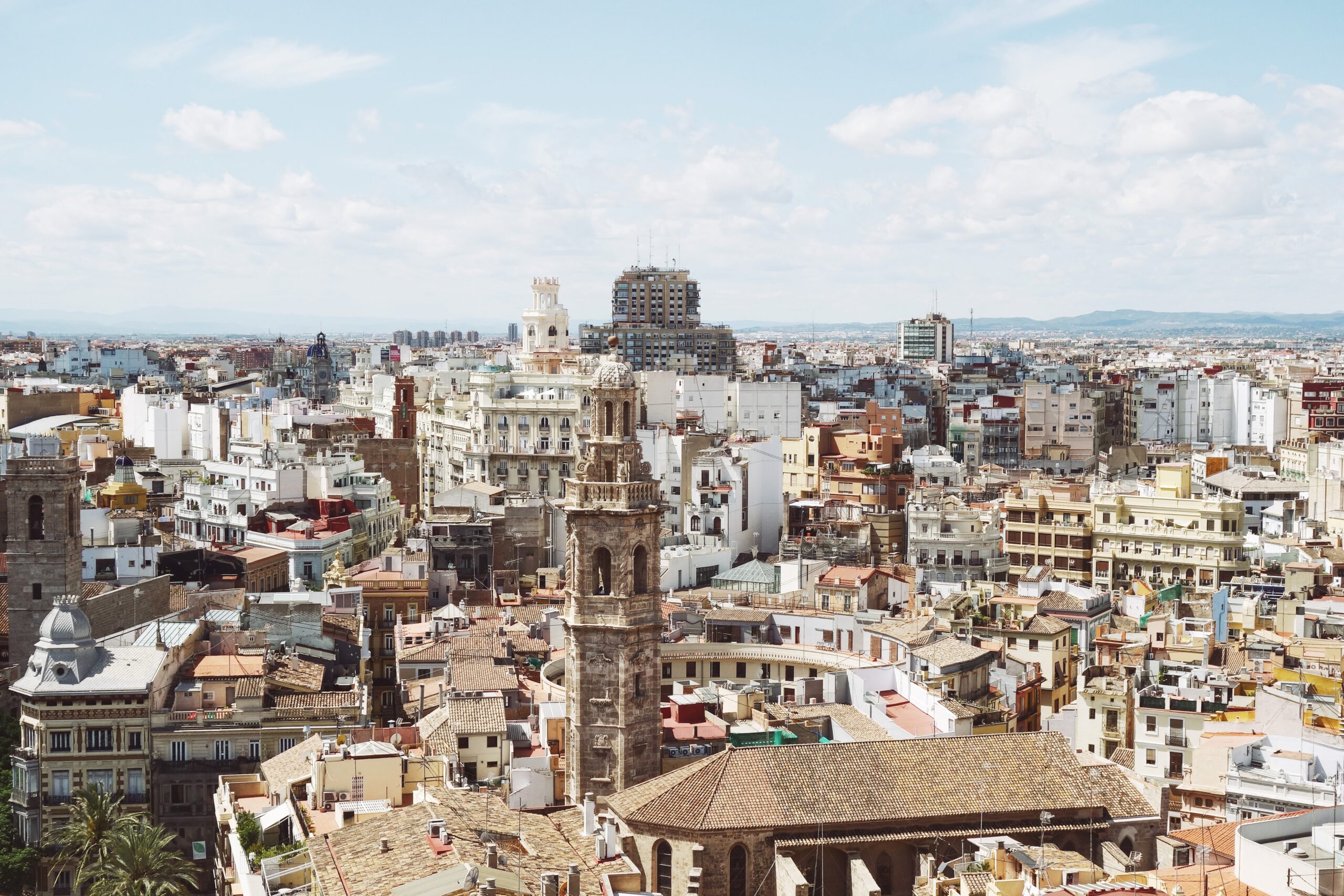
Plaza de la Reina, Plaza de la Virgen and the Miguelete
Plaza de la Reina and Plaza de la Virgen are great stops to enjoy the beauty of the old town’s emblematic buildings. If you want to see the city from above, climb the 207 steps of the Miguelete tower to the top.
The Silk Exchange (La Lonja)
The Silk Exchange, called “Lonja” in Spanish, is another essential. It is one of the most outstanding examples of civil Gothic architecture, a work by Pere Compte.
Its walls hold a long history that placed Valencia at the centre of Europe’s silk industry. Inside, the Museum of the Lonja displays the different types of looms that were used, along with a large collection of textiles.
Central Market
From Gothic we move to Modernism. Just looking at the Central Market from outside will leave you speechless, and once you step through the door you find a true temple of Valencian gastronomy.
The Turia Riverbed and Gardens
Follow the Turia river bank through the Turia gardens and you will come across the Serranos and Quart Towers, gates of the old medieval wall and ideal viewpoints over the city.
Nearby, in the Carmen neighbourhood, Calle Moret will surprise you with its graffiti. For a good selfie, stop under the arch of the Portal de la Valldigna, the old passage between Christian and Muslim Valencia.
City of Arts and Sciences
The course of the Turia also leads you to the City of Arts and Sciences, where fantasy comes to life. This futuristic complex, designed by Santiago Calatrava and reflected in large pools of water, offers artistic options such as the Paseo de las Esculturas and the Reina Sofía Palace of the Arts, and scientific ones such as the Hemisfèric and the Oceanogràfic.
Albufera Natural Park: The Perfect Day Trip
To end your visit to Valencia with a flourish, you cannot miss the Albufera Natural Park, an authentic ecological paradise just 10 kilometres from the city. Learn about local traditions and take a relaxing ride in one of the traditional boats while you discover the flora and fauna of this small Valencian paradise.
Don’t forget to taste the local dishes, such as all i pebre, rice with eel or a delicious Valencian paella. This nature reserve shows you the beauty of Valencia from a different perspective.

When to Visit Valencia
Valencia, in eastern Spain, is known for its gastronomy, art and culture. Depending on your interests, spring or autumn may be the best time to visit.
The city has a Mediterranean climate, with hot, dry summers and mild, wet winters. In summer, maximum temperatures typically sit around 25–30°C, and winters are mild, with our source figures putting winter lows at around 10–15°C.
| Season | Why go |
|---|---|
| Spring / autumn | Often the best balance for sightseeing |
| Summer | Best for beaches and outdoor activities |
| Winter | Lower prices on flights and hotels, fewer tourists |
If you want to visit Valencia without high prices or crowds, consider winter. You will save on flights, accommodation and sightseeing, and the landmarks are just as enjoyable in the mild winter months as in the sweltering summer.
Frequently Asked Questions
How many days do you need to see Valencia?
At least two full days for the main monuments, parks and museums. A third day lets you visit the Albufera Natural Park.
How far is the Albufera from Valencia?
The park is about 10 kilometres from the city, barely half an hour away.
What food should I try in Valencia?
Try Valencian paella, rice with eel and all i pebre, especially around the Albufera, and browse the Central Market.
What is the cheapest time to visit Valencia?
Winter, when there are fewer tourists and flights, accommodation and sightseeing cost less.
Conclusion
Valencia may not always top the lists of Spain’s most beautiful cities, but between its Gothic Silk Exchange, Modernist Central Market, the Turia gardens, the futuristic City of Arts and Sciences and the Albufera, there is plenty to see in Valencia for a perfect weekend or a three-day break.