
Things You Need to Know to Happily Travel In Europe
Quick answer: To happily travel in Europe, plan and book ahead (around 60 days is often cited as the sweet spot), compare low-cost and standard airlines, walk as much as you can, withdraw local currency from ATMs while keeping a little cash, pack light, eat local food and bring a first aid kit and health insurance.
If you’re an inexperienced traveller planning a trip to Europe, these tips will be useful. There are no extraordinary secrets here, just practical advice to make your journey as comfortable as possible. Europe is well organised, accessible and easy to get around, but without good preparation you can still run into trouble.
Planning Is the Key to Your Comfort

Even if you already know where you’re going, the comfort of your trip depends on preparation. Think in advance about:
- How you will get to your destination
- Where you will stay
- When museums are open
- How to get from the city to the airport, bus or railway station
If you plan to visit museums or other attractions, buy tickets in advance. You can do it all from home in a few clicks, and it often saves both money and time. It’s also worth looking for discounts or city cards that let you visit several places with savings.
Book Everything in Advance

It’s worth repeating: book ahead. This applies to accommodation, car rentals, plane tickets and paid entertainment. Experts and experienced travellers suggest searching and booking about 60 days before your trip. You can book earlier if there’s a great offer, but this window is often considered optimal.
If you’re heading to a popular European direction such as Berlin, Paris or London, this tip is especially relevant.
Compare Low-Cost and Standard Airlines

Sometimes a direct flight that already includes luggage or a small in-flight snack is the better buy. Standard carriers run promotions too, and the miles you collect can turn into a nice bonus. Always compare prices against your needs for time, comfort and budget.
| Choose Low-cost airlines if | Choose standard airlines if |
|---|---|
| You’re flying with a small backpack | You’re flying a long distance |
| You have no transfer | You have checked luggage |
| You have little time to spare | You want specific dates |
| Your departure days are flexible | — |
Walk More

Walking isn’t only about saving money. Exploring the city is the goal, and on foot you see much more, feel part of another culture and save a few euros along the way.
If you like sports, look up what’s available. You can find paintball fields in almost any country, though it helps to know a little about paintball guns.
Use ATMs Instead of Currency Exchanges
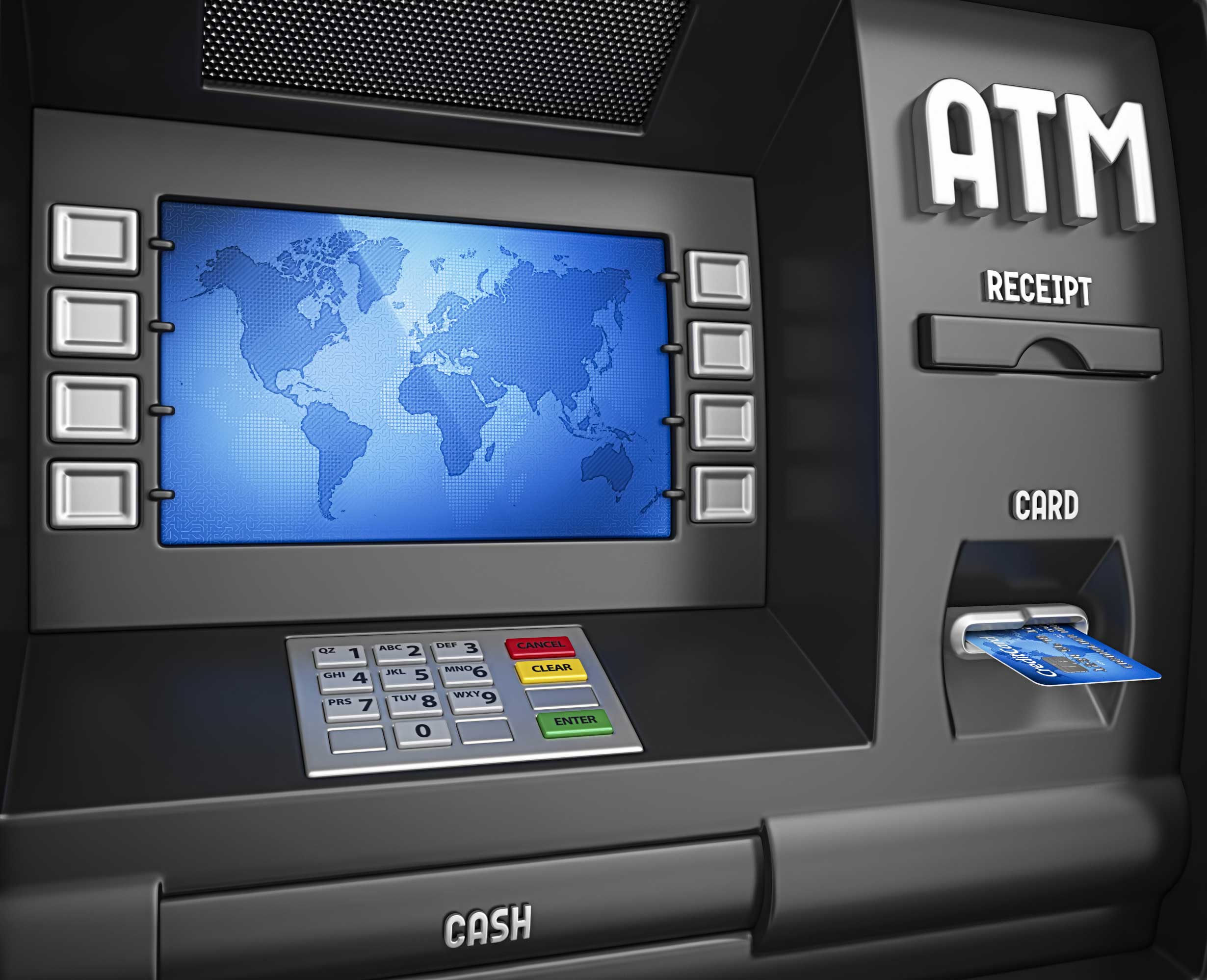
Currency exchanges often leave you regretting a poor rate or extra service fees. It’s usually better to withdraw money from an ATM in the local currency and let your bank handle the conversion, or to use a currency card.
Don’t carry a lot of cash. Almost everywhere in Europe you can pay by card and keep your money safe.
Keep a Little Cash

You still need some cash. Cards are widely accepted, but sometimes you’ll need to pay a fare or buy a fridge magnet at a kiosk where cards aren’t taken. Be prepared with a few euros; even in European countries that don’t use the euro, you may find places that accept them.
Pack Your Backpack Wisely

Summer in Europe is warm, so shorts, T-shirts and a light sweater will usually be enough. Winters are harder: they’re cool to cold, and warm clothes take up a good part of your backpack.
Remember you may walk more than 20 km a day around a city. Look after your back and always pack less.
Enjoy Local Cuisine

Tasting local food is a way to get to know a country. Nowhere will you find real pasta like in Italy, better chocolate than in Belgium or Switzerland, or paella like in Spain, so try everything you can.
Plan where you want to eat in advance to save money and time. It’s better to know where to go than to wander the blocks and end up at the first café you find, paying tourist prices.
Take Everything You Need
Unusual food, a different climate and minor injuries can all affect you on the road. Bring a first aid kit so you don’t have to hunt for a pharmacy and try to explain what you need.
Don’t forget health insurance. It costs little to arrange, and in an emergency you won’t have to pay for treatment, which can be expensive.
Frequently Asked Questions
How far in advance should I book a trip to Europe?
Experienced travellers often suggest about 60 days ahead for accommodation, flights and car rentals, especially for popular cities like Berlin, Paris or London.
Should I use low-cost airlines in Europe?
They suit short trips with a small backpack, no transfers and flexible dates. Standard airlines are better for longer flights, checked luggage or fixed dates.
Do I need cash to travel in Europe?
Cards are accepted almost everywhere, but keep a few euros for fares, kiosks and places that don’t take cards.
Conclusion
That’s all we wanted to tell you for now. Don’t be afraid of the unknown: book your tickets, plan ahead, travel more often and enjoy your life.
Author’s Bio

Katey Carter is a passionate writer about travelling and sport. In her free time, she reads adventure novels and writes reviews about them.