
Planning A Tanzania Safari
Quick answer: Planning a Tanzania safari comes down to ten steps: choose a reputable safari company, travel in the dry season (late June to October), pack light, breathable clothing, set your itinerary, book accommodation early, learn the local rules, organise your documents, check your health needs, bring binoculars and a camera, and arrive rested and ready.
Let the planning begin! Planning a trip to Tanzania can be exciting and daunting at the same time. With so much to consider, it is essential to do your research and take all the necessary steps so everything goes smoothly. Here are ten tips to get your safari planning started.
Before You Book: Operator, Timing and Itinerary
1. Choose a Tanzania Safari Company
Selecting an experienced, reputable safari tour operator is key to a safe and enjoyable trip. Do your research, read reviews and ask friends and family for recommendations before you book.
2. When to Visit Tanzania for a Safari
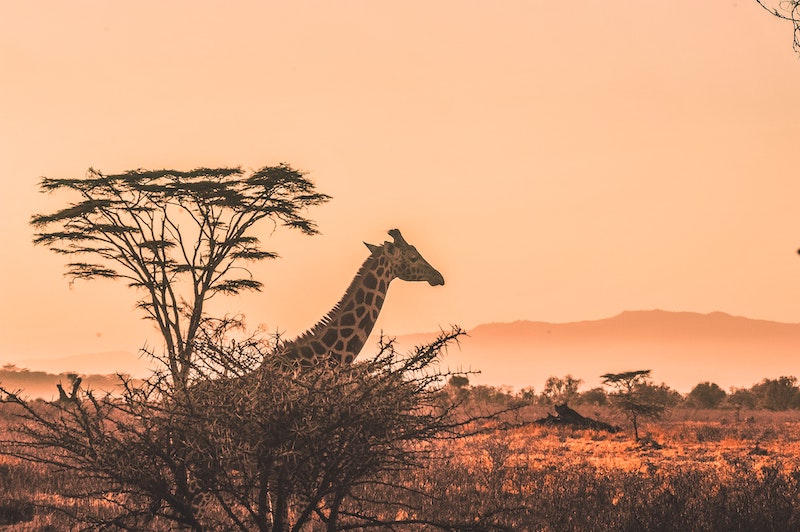
The best time to visit Tanzania is the dry season, from late June to October. The weather is cooler and more comfortable for game drives and hikes, and wildlife sightings are plentiful.
3. Decide on an Itinerary
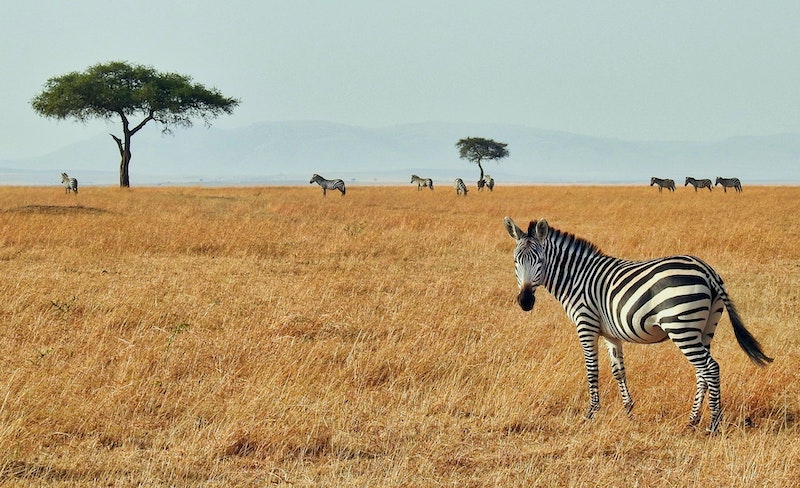
Once you have chosen a safari operator, it is time to decide on your itinerary. Your operator can help, but it is worth researching the different parks and reserves in Tanzania yourself so you can build a trip around the best wildlife viewing.
4. Research and Reserve Accommodation
Accommodation in Tanzania ranges from luxurious lodges to basic campsites. Research the options to find what suits your budget and expectations, and book in advance to secure availability.
Packing and Preparation for Your Tanzania Safari
5. What Clothes to Pack
Pack light and choose lightweight, breathable, quick-drying fabrics. For example:
- Cotton and linen for hot days on the savannah
- A warm jacket or sweater for chilly nights
- A sun hat, sunglasses and sunscreen
6. Know the Country’s Rules and Regulations
Tanzania has laws and regulations you should know before you visit, including those on safety, wildlife conservation, plant collection and photography. Research them and follow the guidelines so you stay safe and within the law.
7. Organise Your Travel Documents
To enter Tanzania you need a valid passport and, if required, a visa. Make sure these are up to date before you leave and carry copies in case of an emergency.
8. Health Considerations
Before your safari, check with your doctor that you are up to date on any necessary vaccinations and medications. Pack a first aid kit and enough of any medication you need for the whole trip.
9. Gear Up for Wildlife Viewing
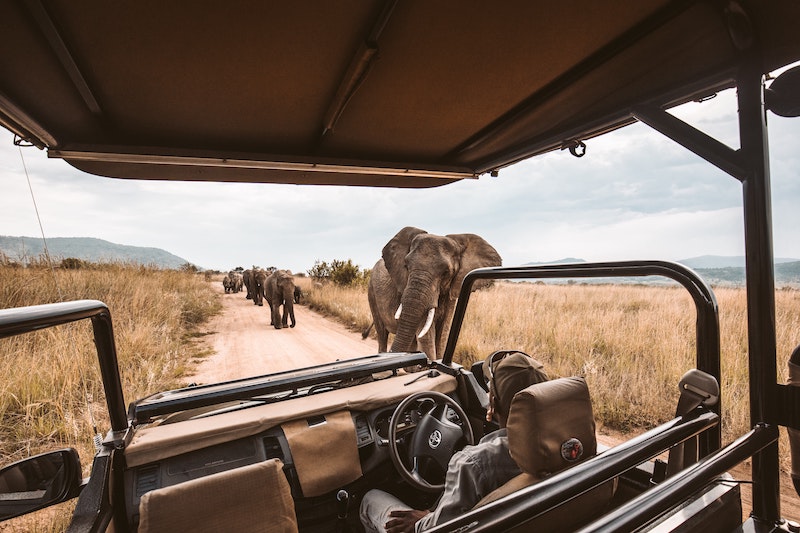
Bring a good pair of binoculars and a camera with plenty of memory cards and batteries to capture all the amazing wildlife. Binoculars are especially helpful for spotting animals at a distance.
10. Prepare for an Unforgettable Adventure
Before you leave, make sure you are physically and mentally ready for the adventure ahead. Get plenty of rest, stay hydrated and savour every moment of your once-in-a-lifetime safari.
Frequently Asked Questions
When is the best time for a Tanzania safari?
The dry season, from late June to October, when the weather is cooler and wildlife sightings are plentiful.
What should I wear on safari in Tanzania?
Lightweight, breathable, quick-drying clothes such as cotton and linen, plus a warm layer for cool nights and sun protection.
What documents do I need to enter Tanzania?
A valid passport and a visa if required. Keep copies with you in case of an emergency.
How do I choose a safari operator?
Look for experience and a good reputation: read reviews and ask friends and family for recommendations.
Conclusion
By following these tips, planning a Tanzania safari becomes far less daunting, and your trip is set to be an unforgettable, rewarding adventure. Don’t forget to pack your sense of wonder and leave plenty of room for surprises along the way. Good luck!