
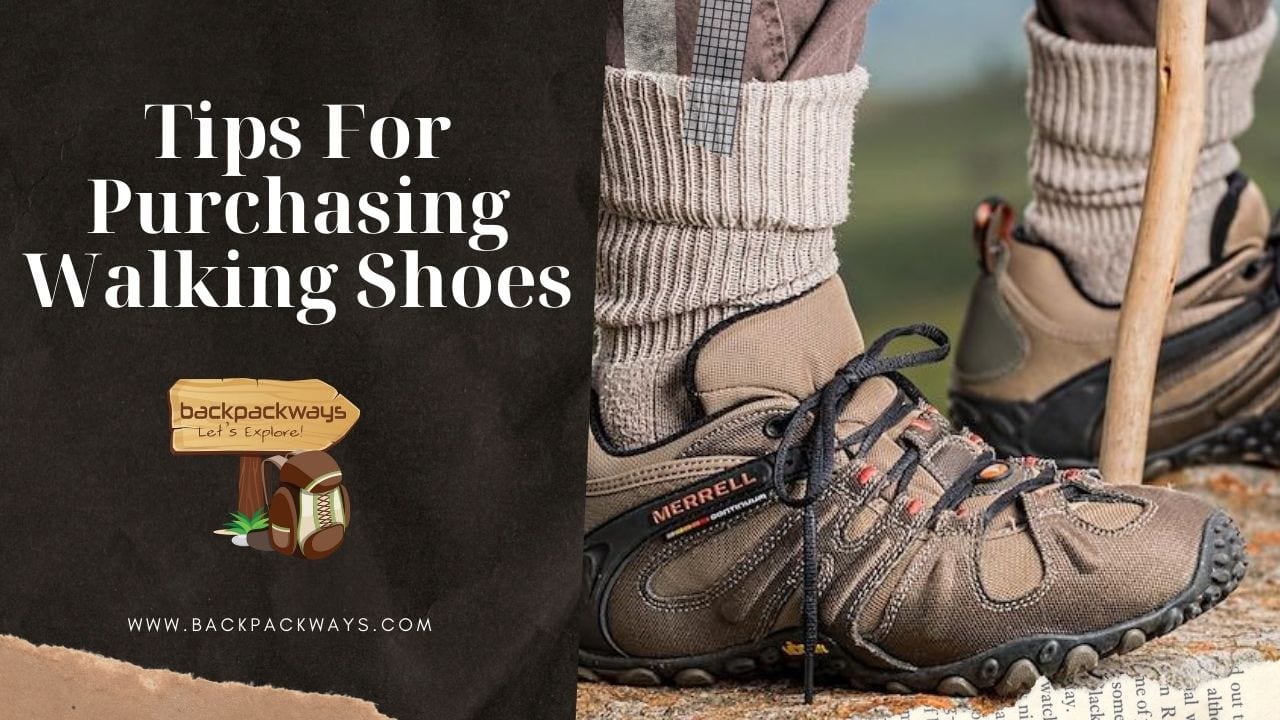
Tips For Purchasing Walking Shoes for a Walking Holiday
Quick answer: When purchasing walking shoes for a walking holiday, choose a pair designed specifically for walking rather than leisure sneakers or running shoes. It may be an extra expense, but the right shoe pays off by preventing injury, foot pain and instability while giving you greater comfort.
A good pair of walking shoes is without doubt the most important piece of kit for a walking holiday. Here’s how to tell the types apart, what makes a walking shoe different, and a simple test to check any pair before you buy.
Types of Walking Shoes
Shoes generally fall into one of three categories:
- Performance trainers: lightweight shoes, ideal for walkers who don’t need motion control.
- Stability shoes: for people without severe stability problems who can still benefit from additional motion control.
- Cushioned shoes: offer better comfort for people who walk long distances (over 5 miles at a time).

The Walking Shoe Difference
Get the Fit Right
No matter how great a shoe looks, it won’t do you any good if it doesn’t fit properly. To get the right fit, find the best athletic shoe store in your area, ideally one frequented by serious runners. Personal trainers are usually an excellent source of recommendations. If you require extra wide shoes take a look at this guide.
Keep an eye out for stores that offer foot analysis. That alone is a strong sign the store can find a shoe that is anatomically better suited to your foot.
Walking Shoes vs Running Shoes
The main difference between walking shoes and running shoes is the movement they are built for. Walkers strike first with the heel and roll through the step. Runners strike with the mid-sole, so they need a built-up heel to soften the impact and a flared heel for stability. Walkers need neither.
Why Flexibility Matters
Flexion is critical. A walking shoe needs to be flexible in the forefoot, or your foot will fight it as it rolls through each step. This can hamper your gait and may even lead to shin splints.
Tips for Choosing the Right Walking Shoe
Use this quick quality test to assess each pair you are considering:
- Look at the heel: it should ideally be no more than 1 inch higher than the sole under the ball of the foot, with no flare.
- Grip the shoe and twist it: it should twist side to side, and it should bend at the ball of the foot rather than in the middle of the arch.
- Set the shoe on the floor and poke the toe: a well-designed shoe will have the toe slightly off the ground and rock a little when poked.

Motion Control Shoes for Overpronators
If you are an overpronator (your foot rolls inward toward the arch as you walk), you may need a pair of motion control shoes to compensate. That’s particularly true if you are heavy or have other mobility issues such as a weak hip or knee. Motion control shoes are generally heavier, but they offer firmer support and help balance your gait.
If you are in doubt, have the shoe store analyse your gait. With particularly severe pronation, you may need a custom pair or an orthotic insole to provide the necessary support.
Function Before Fashion When Buying Walking Shoes
Don’t get hung up on labels. A flexible, flat shoe with a minimal heel drop may be perfectly suited to walking, even if it’s labelled a running shoe. Likewise, many “walking shoes” come with all the bells and whistles but are anything but flat and flexible.
Always put function before fashion. You obviously want to look good, but the priority is a shoe that makes walking a joy. You can expect to find a great pair for between $60 and $120; anything priced higher and you’ll mostly be paying for style.
Frequently Asked Questions
Can I use running shoes for a walking holiday?
Possibly. Running shoes usually have a built-up, flared heel that walkers don’t need, but a flexible, flat running shoe with a minimal heel drop can suit walking well.
How much should I spend on walking shoes?
A great pair typically costs between $60 and $120. Above that, you are mostly paying for style.
What if I overpronate?
Look for motion control shoes, and have your gait analysed in store. Severe pronation may need a custom pair or an orthotic insole.
Conclusion
The best walking shoes for a walking holiday fit well, flex at the forefoot, have a low, unflared heel and suit your gait. Get fitted at a good store, run the quick twist-and-poke test, and choose function over fashion.