
Things to do in Cuenca.
Quick answer: The top things to do in Cuenca are visiting the Old and New Cathedrals, walking its museum mile, watching the sunset from Mirador Turi, hiking in Cajas National Park, soaking in the Baños hot springs, day-tripping to Gualaceo, Chordeleg and Sigsig, and exploring the Pumapungo and Ingapirca ruins.
This picturesque colonial city in southern Ecuador is often a pit stop for travellers heading to and from Peru, and it is often called “the popular retirement town”. Cuenca sits in a valley surrounded by mountains, and four main rivers, the Tomebamba, Yanuncay, Machangara and Tarqui, flow through the city.
Here are the key things to do in Cuenca.
1. Visit the Old and New Cathedrals of Cuenca
El Sagrario, the Old Cathedral of Cuenca, was built in 1557, the same year the city was founded. Colonial homes on cobbled streets with iron-edged balconies, spectacular courtyards, breathtaking parks and beautiful churches have made Cuenca one of Ecuador’s most popular attractions.
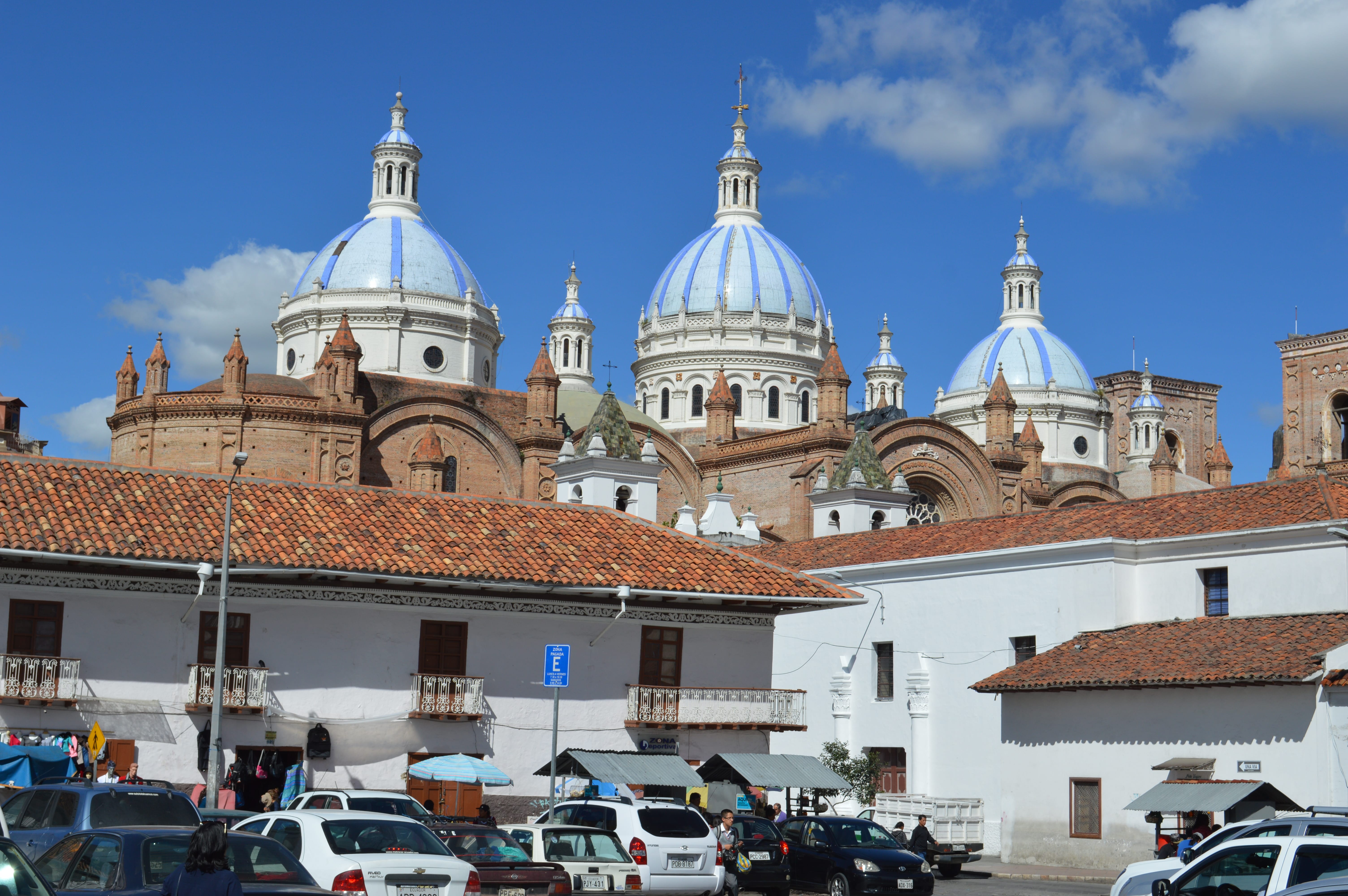
The Cathedral of the Immaculate Conception, known as the New Cathedral of Cuenca, was built in the Baroque Revival style and opened in 1975. It is topped by three giant domes covered in striking blue and white glazed tiles from Czechoslovakia. The facade is made of alabaster and local marble, while the floor is covered in pink marble brought from Carrara in Italy.
2. Walk a Museum Mile
Cuenca has more than 16 museums around its historic centre. Most depict the history, culture and way of life of the indigenous people, and most offer free entry. Click here to see some recommendations.
3. See Cuenca from Mirador Turi
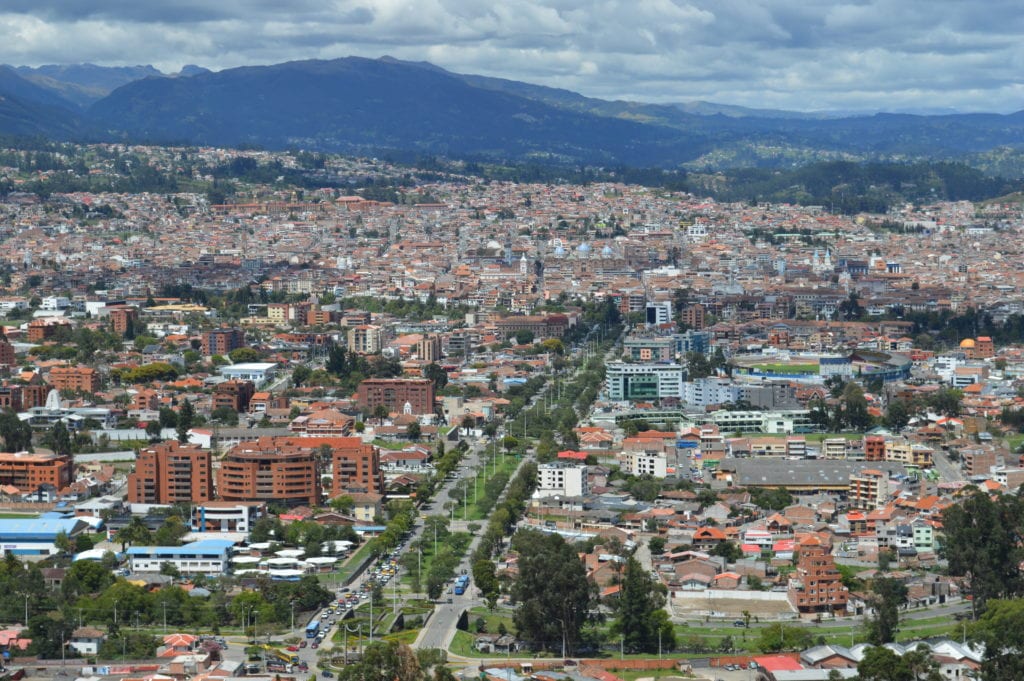
Mirador Turi is a quick escape from bustling central Cuenca. It sits atop a steep hill with gorgeous views of the city lights below and the surrounding mountains, and it is best enjoyed at sunset.
- On foot: 439 steps in total, in flights of 12 stairs with a landing in between.
- By bus: flag down a bus marked “TURI”, which drops you right at the mirador for 30 cents.
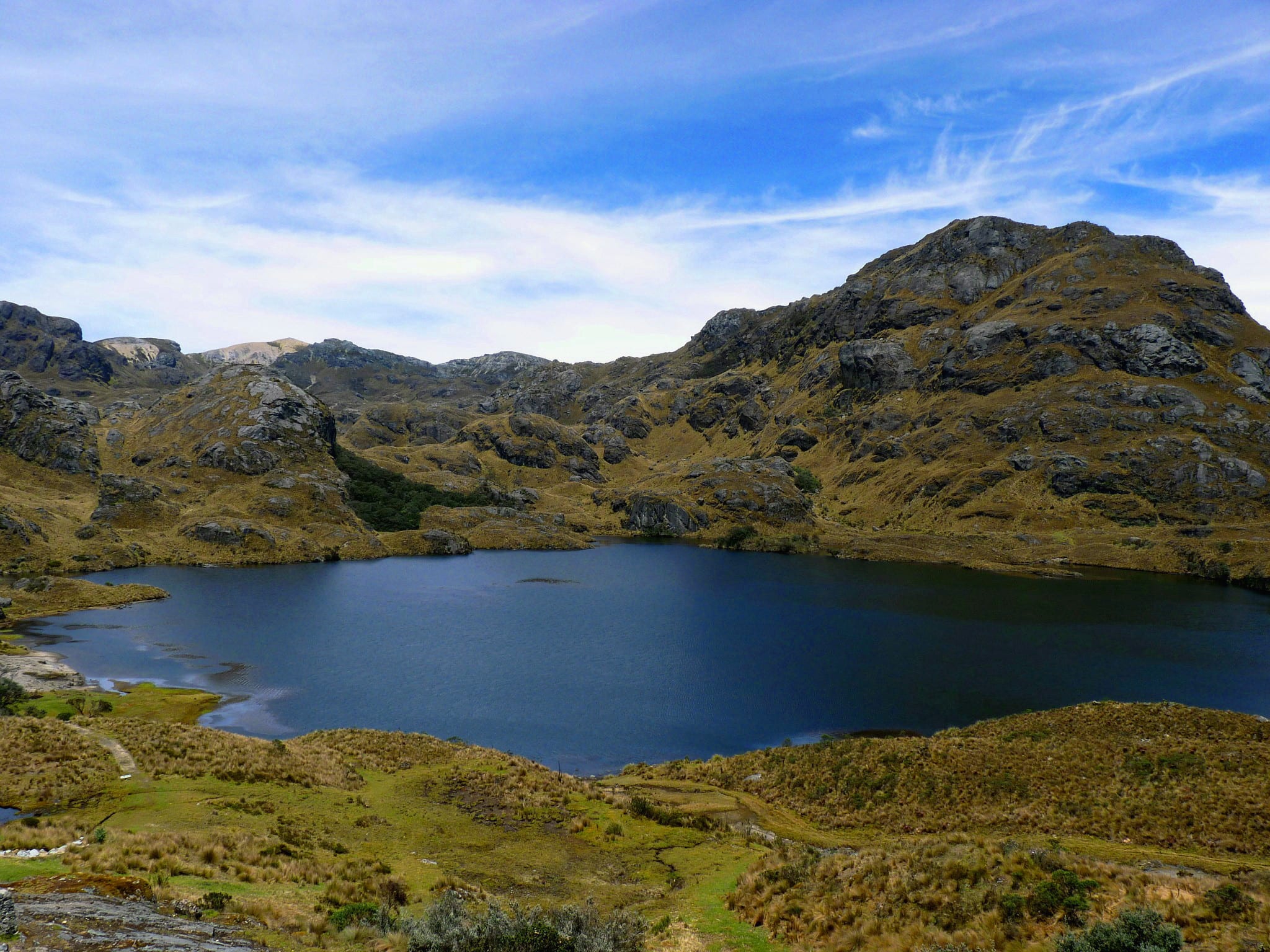
4. Immerse Yourself in Nature at Cajas National Park
Cajas National Park lies in the Ecuadorian Andes, 35 kilometres from Cuenca. The park has several activities and 12 trails: 8 are quite arduous and 4 are easily doable. There is no entrance fee.
Transporte Occidental runs a frequent service from Cuenca to Cajas, with tickets for USD 2 from the office or on the bus. Buses leave from the Terminal Terrestre and from their office at the Southern Station near Feria Libre.
5. Visit the Hot Springs at Baños
The parish of Baños is 8 kilometres from the centre of Cuenca. As the name suggests, it is known for its hot spring pools, with mineral-rich waters valued for their medicinal properties.
Bus 12 from the intersection of 12 de Abril and Solano avenues goes to Baños for 30 cents.
6. Take a Day Trip to Nearby Villages
Sigsig, Chordeleg and Gualaceo are known for their open-air artisan markets. Each sits in the mountains around Cuenca, about an hour away. Frequent buses leave from Cuenca’s Terminal Terrestre for about USD 2, and Sigsig Express is among the few that leave every hour for Sigsig, stopping in Gualaceo and Chordeleg.
Gualaceo
Gualaceo’s main attractions are its orchid farms, whose gardens hold thousands of orchid species, including a large variety of hybrids. At weekends the town comes alive with a market where craftsmen sell everything from typical regional products to traditional food.
Apart from the buses to Chordeleg and Sigsig, Santiago de Gualaceo and Santa Barbara buses leave Cuenca every 15 minutes and cost USD 0.80.
Chordeleg
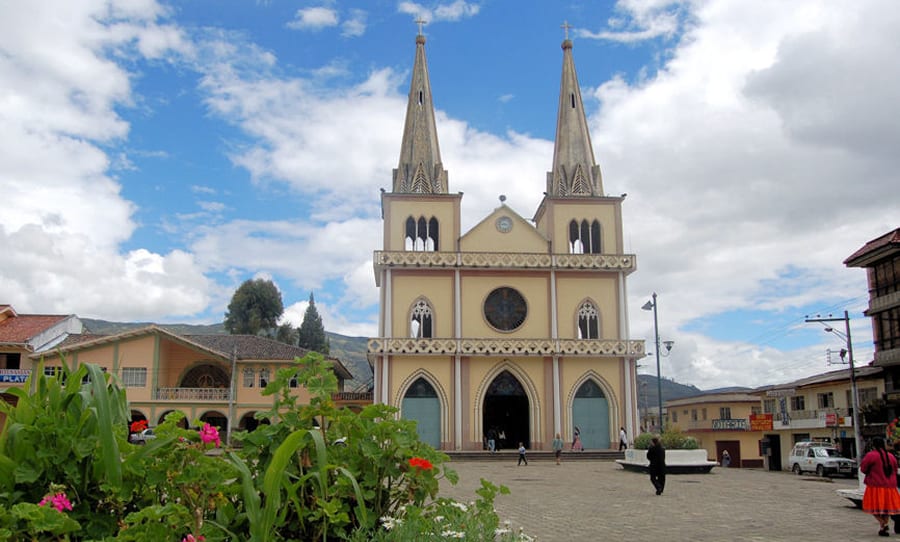
Chordeleg is known for its filigree jewellery. Its reputation for ornate silver jewellery has grown so much that large replicas of its famous earrings hang from the lampposts. The town is also known for its ceramics.
Chordeleg is six kilometres from Gualaceo. Express Sigsig and Flota Canepa run frequent services to and from Cuenca, and the ride costs USD 1.
Sigsig
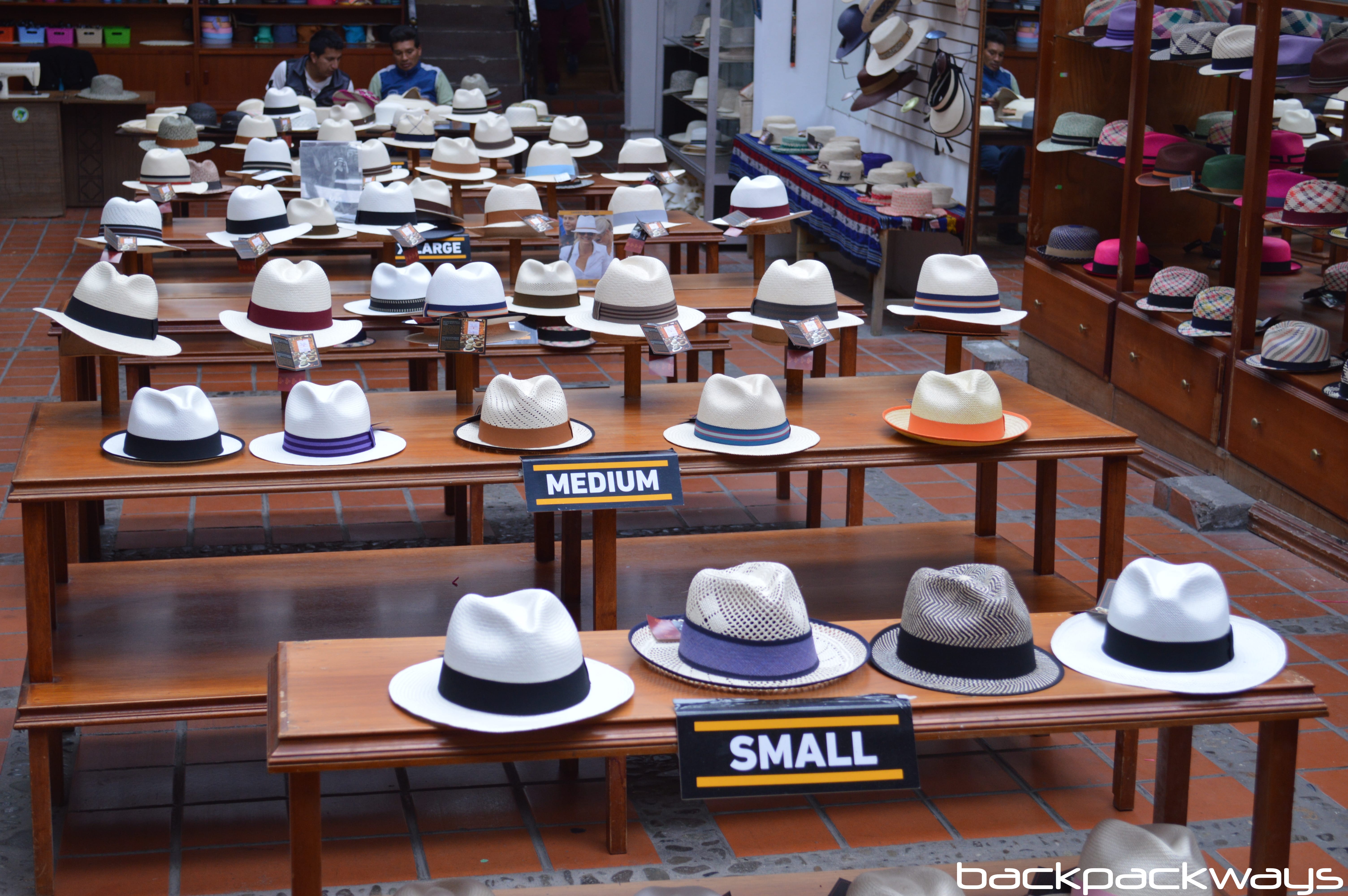
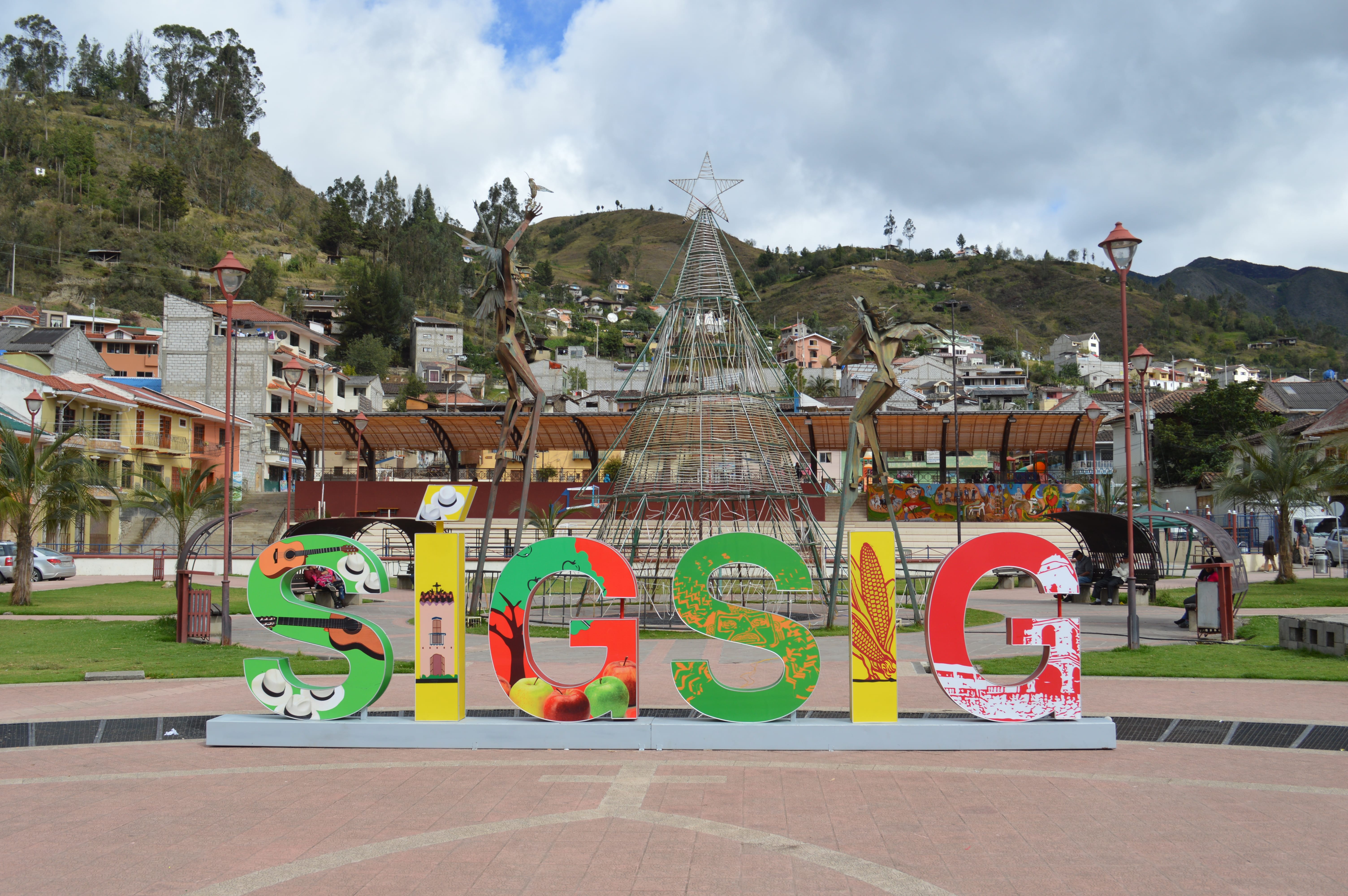
Sigsig is famous for paja toquilla hats, known to many as straw hats or Panama hats. In 2012 UNESCO inscribed the weaving of the toquilla straw hat as Intangible Cultural Heritage. Cueva Negra de Chobsi and Castillo de Duma are two historic sights near town; to reach them, hire a camioneta (pickup truck taxi) for USD 1 per person.
Express Sigsig runs a regular service from Cuenca’s Terminal Terrestre for USD 1.75.
7. Check Out the Ruins
Ruinas de Pumapungo
The Pumapungo ruins are the largest Inca archaeological ensemble south of Ingapirca. They recognise the values of the Inca and Cañari peoples, who left a lasting imprint of their identity on Cuenca and its surroundings.
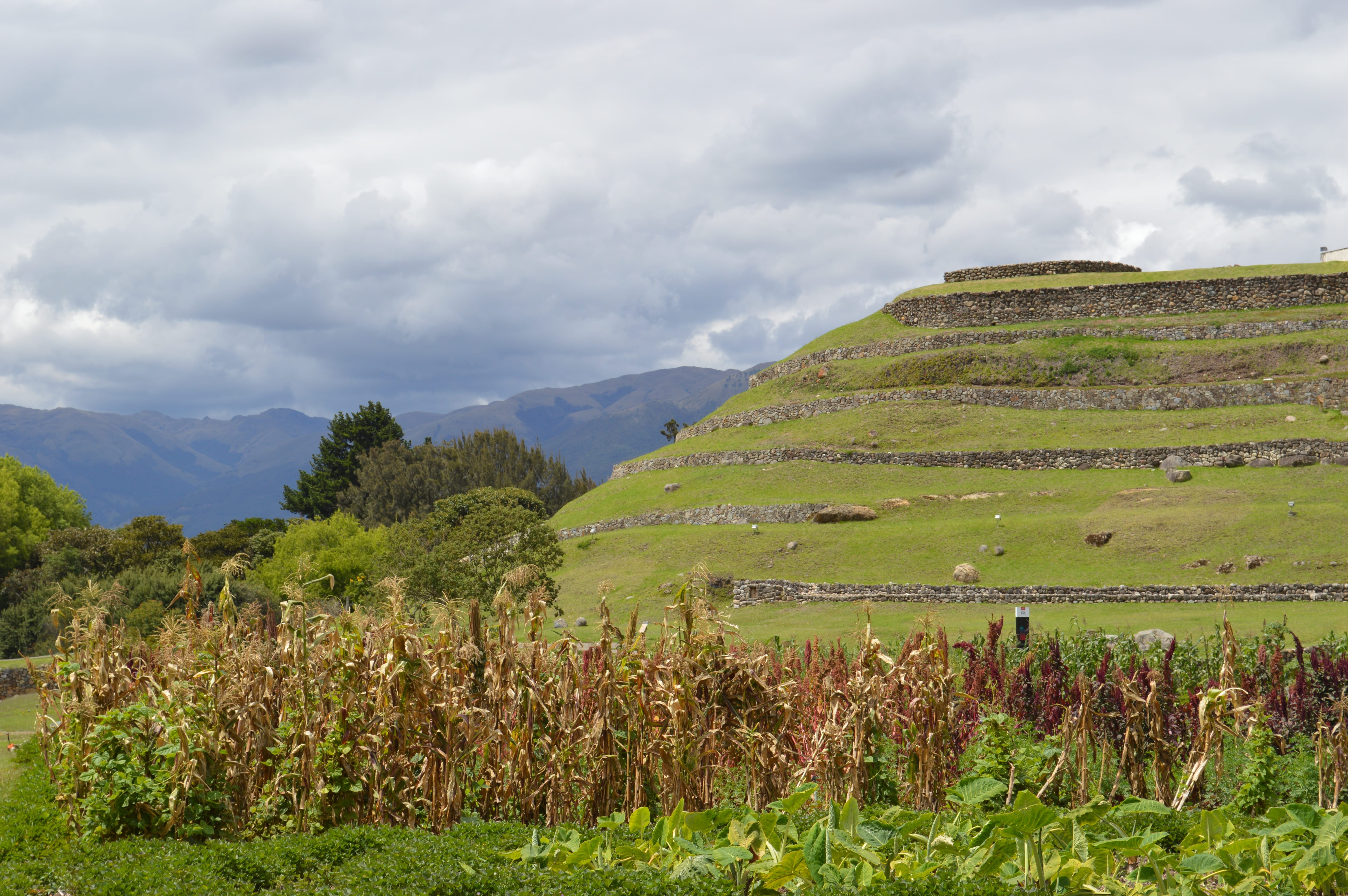
The site is made up of terraces where crops were grown, linked to sun worship and the spiritual ascension represented by the Incas. At the bottom of Pumapungo is the entrance to a tunnel more than a hundred feet long, which served as a mausoleum symbolising the underworld, home of the wacas and the spirits of the ancestors.
Ruinas de Pumapungo is at the end of Calle Larga, next to “Banco Nacional”. There is no entrance fee for the museum or the ruins.
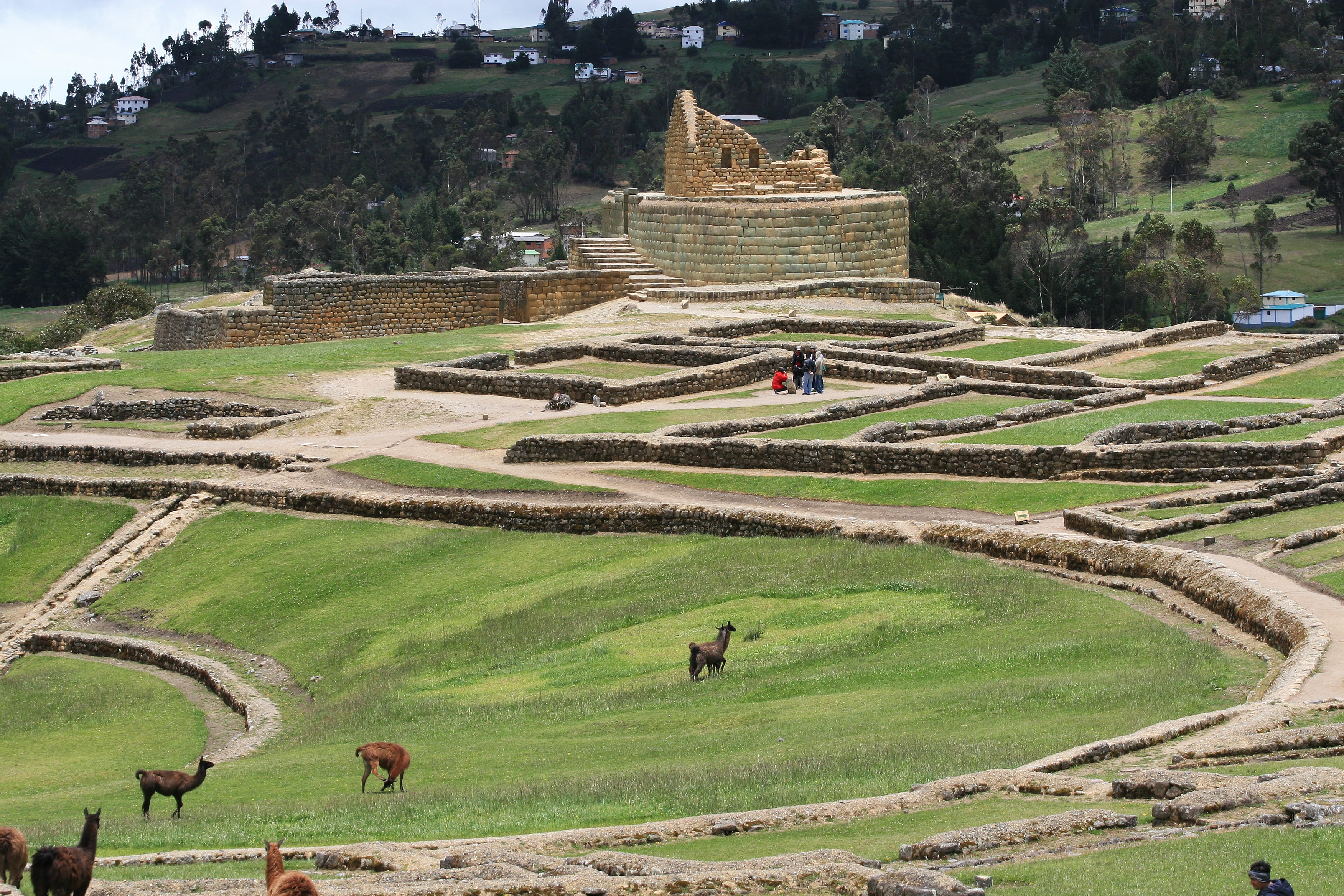
Ingapirca Ruins
The Ingapirca archaeological complex is a fusion of Cañari and Inca architecture. The Cañari nation built it as a religious and housing centre, and the Inca conqueror Tupac Yupanqui later built a ceremonial and religious complex there after conquering the area.
Ingapirca is roughly 80 km from Cuenca. Buses are operated by Cooperativa Cañar from Cuenca’s Terminal Terrestre and stop right at the entrance of the complex.
| Days | Departs Cuenca | Returns |
|---|---|---|
| Monday to Friday | 09:00 and 12:20 | 13:00 and 15:45 |
| Weekends | 09:00 | 13:00 |
A one-way ride costs USD 3.50. The entrance fee is USD 6, which includes a guide and a visit to the museum.
8. Treat Yourself to Cuenca’s Food
If you are craving Indian, Chinese or Arabian food in Cuenca, head to Calle Larga. Just a few blocks from the city centre, it has several restaurants serving cuisines from around the world, which has helped make Cuenca a gastronomic city in the country.
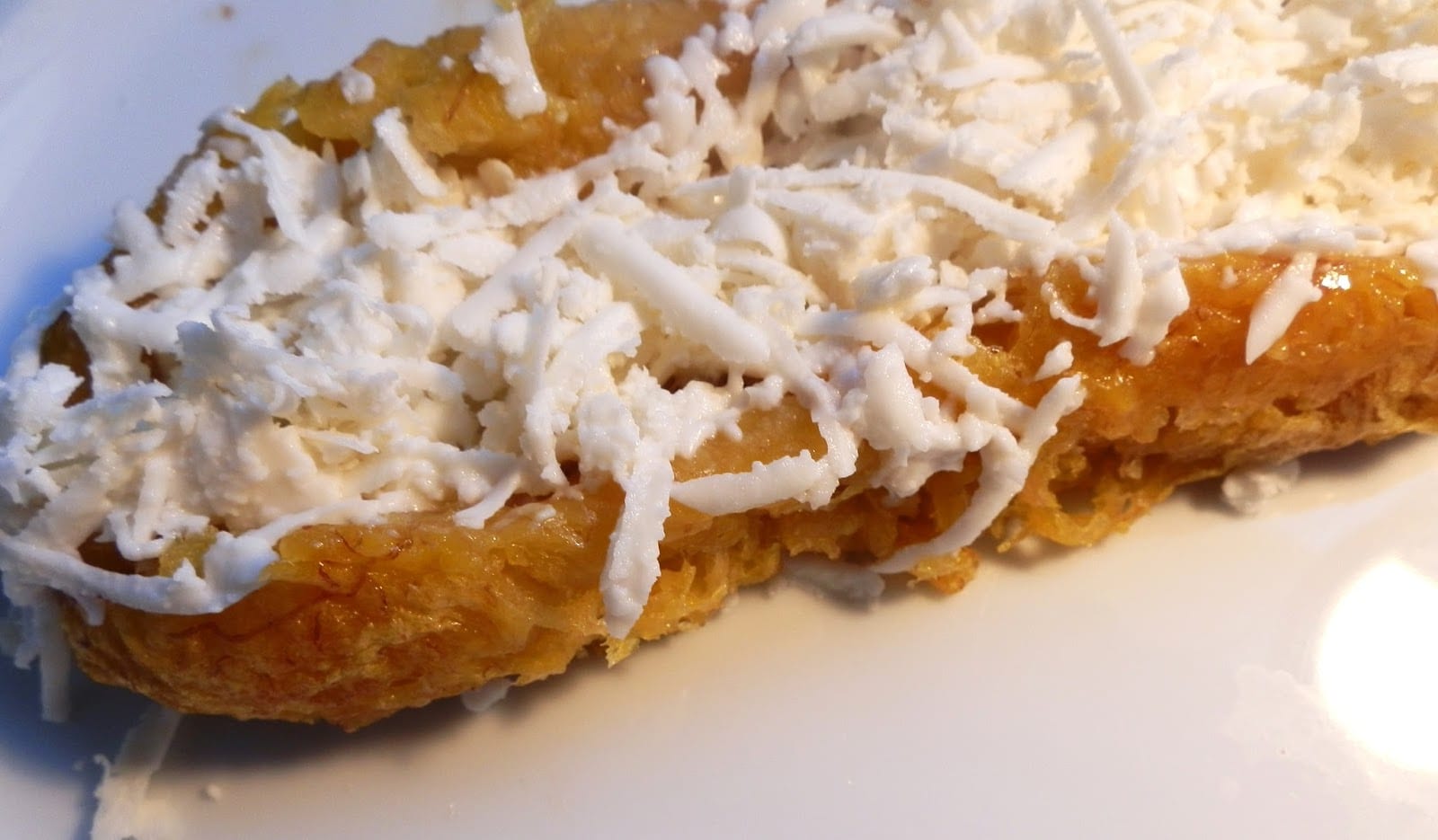
Maduro con queso, barbecued banana with cheese, is a popular Ecuadorian street food found widely in Cuenca. A freshly barbecued one costs 75 cents.
Frequently Asked Questions
Is Cajas National Park free to visit?
Yes, there is no entrance fee. A Transporte Occidental bus from Cuenca costs USD 2.
How do I get from Cuenca to Ingapirca?
Cooperativa Cañar buses leave Cuenca’s Terminal Terrestre at 09:00 (and 12:20 on weekdays) and cost USD 3.50 one way. Entry is USD 6 including a guide.
What are the best day trips from Cuenca?
Gualaceo for orchids, Chordeleg for filigree jewellery and Sigsig for Panama hats are all about an hour away, alongside Cajas National Park and Ingapirca.
Are Cuenca’s museums free?
Most of Cuenca’s 16-plus museums offer free entry, as do the Pumapungo museum and ruins.
Conclusion
With colonial architecture, free museums, Andean hiking, hot springs, artisan villages and Inca ruins, there are plenty of things to do in Cuenca. It deserves more than a pit stop on the way to or from Peru.





The ruins of Pumapungo sound very interesting! And what a trip you have had!