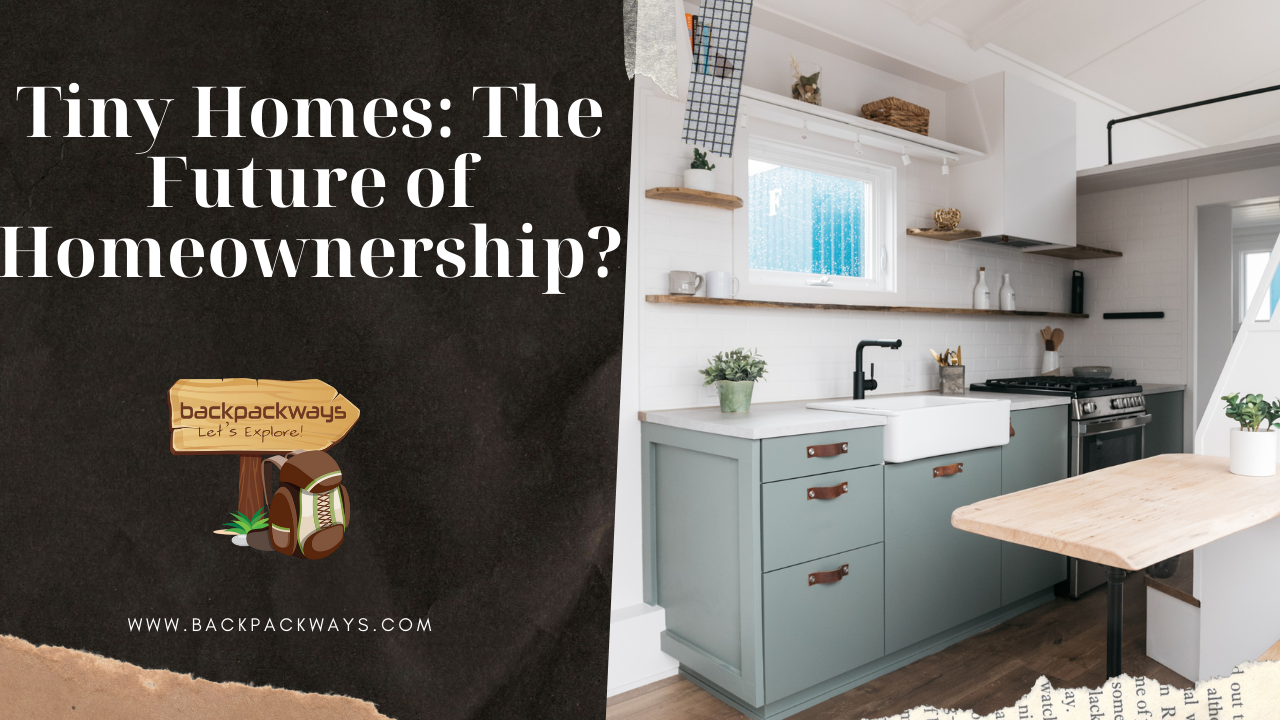
Tiny Homes: The Future of Homeownership?
Tiny homes are growing in popularity as a more affordable and sustainable option for homeownership. Smaller, cheaper to run and easier on the environment, they appeal to anyone tired of a large, expensive house or struggling to afford a home at all. But are tiny homes the future of homeownership? Here is what you need to know, from the benefits to the challenges and even tiny house holidays.
What Are Tiny Homes?
Tiny homes are typically around 500 square feet, but they can be customised to fit your needs. They are usually more affordable than traditional homes and use less energy and fewer resources.
There are many different types of tiny homes, so you can find the right one for you. You can build your own, or buy one from a company like Tiny House Builders UK.
Why Tiny Homes Could Be the Future of Homeownership
Tiny homes suit people who want to downsize their lives, live more sustainably or cut their housing costs. The main benefits are:
- Affordability: usually cheaper than traditional homes
- Sustainability: they use less energy and fewer resources
- Flexibility: many types and designs, customised to your needs
- Simpler living: a natural way to downsize
Can I Go on a Tiny House Holiday?
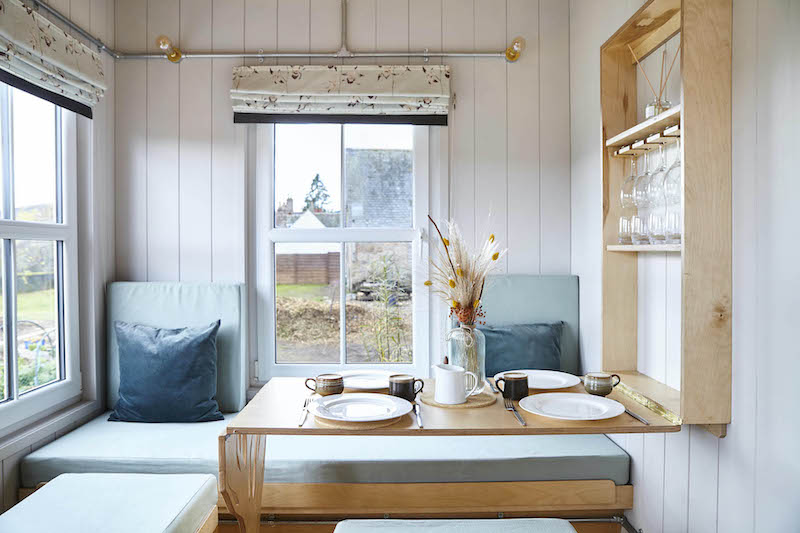
Yes. Many people are interested in a tiny house holiday as a way to try downsized living for a while, and there are many tiny house resorts offering this type of stay.
The best thing about a tiny house holiday is that you can choose the size of home you stay in, with options ranging from 250 to 500 square feet. It is a great fit if you want to save on space and reduce your environmental impact.
Staying in a tiny house can also lower your carbon footprint on holiday. These homes are made with sustainable materials and use less energy than traditional homes.
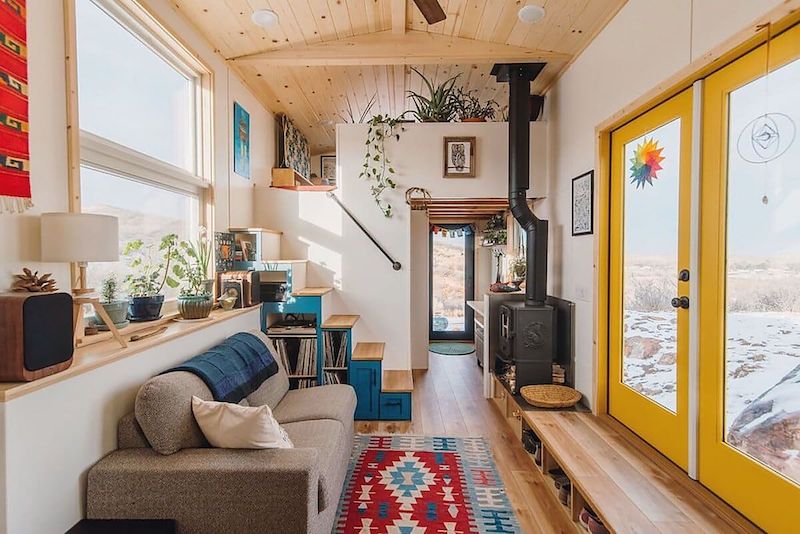
Tiny Homes Present Some Challenges, Including Regulations and Storage
Regulations
Regulations for tiny homes are not yet well developed, so you need to look into things like building permission before you commit.
Storage
A tiny home may not have enough space for everything a person needs. This can be especially difficult if you have a large collection of belongings or like to entertain guests.
Despite these challenges, living in a tiny home has many benefits: it is often more affordable than a traditional home and can be more sustainable.
Frequently Asked Questions
How big is a tiny home?
Tiny homes are typically around 500 square feet, while tiny house holiday rentals range from about 250 to 500 square feet.
Are tiny homes cheaper than traditional homes?
They are usually more affordable to buy and use less energy and fewer resources to run.
What are the downsides of tiny homes?
The main challenges are underdeveloped regulations, such as building permission, and limited storage space.
Conclusion
Tiny homes offer an affordable, sustainable route to homeownership for people ready to downsize. Regulations and storage need careful thought, but if you are curious, a tiny house holiday is an easy way to test the lifestyle before you buy or build your own.