5 Things No-One Tells You about the Inca Trail
Quick answer: The five things no-one tells you about the Inca Trail are that Dead Woman’s Pass is hardest on the way down, coca leaves are a real part of Andean tradition, altitude sickness needs to be taken seriously, the whole route is full of surprises, and the Sun Gate is best enjoyed rather than just photographed.
Machu Picchu is one of the most visited places in South America, and the view of the Inca citadel is an experience you will remember for life. Visitors often talk about the 1 Day Tour to Machu Picchu and the long journey needed to get there, but there is much more to it when you hike the Classic Inca Trail Trek 4 Days.
Reaching the ruins is only part of the adventure; you will encounter countless things along the way. Knowing about them in advance helps you prepare, so here are the real experiences that await you on the Classic Inca Trail Hike.
1. Dead Woman’s Pass Gets Steeper Downhill
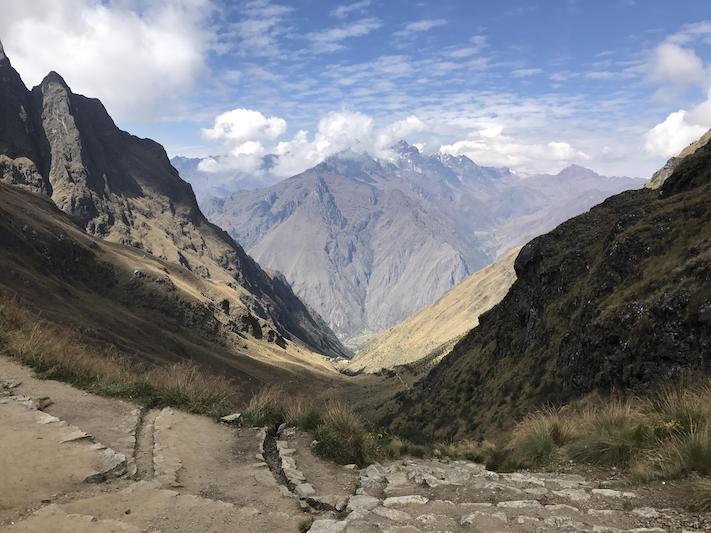
Dead Woman’s Pass feels even steeper on the way down. At 4,213 metres it is the highest point of the Inca Trail, far higher than Machu Picchu itself.
Going up may feel manageable, but remember that the descent is part of the trek too. Take the steep downhill section slowly and carefully.
You can buy or rent trekking poles in Cusco. This stretch is a little dangerous, but it gets easier once you are past it.
2. Coca Leaves Are Part of Traditional Medicine
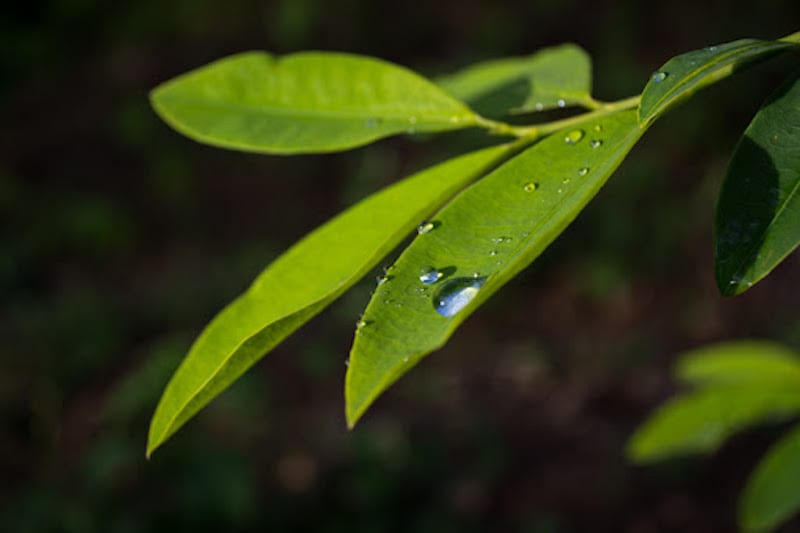
Coca leaves have long been used in traditional Andean medicine, and chewing them is considered something of an art. You chew them steadily until you feel a mild stimulating effect, which is traditionally used to ease thirst, hunger, fatigue and the effects of altitude.
In the classic method, the leaves are placed in the mouth with an alkaline substance to release their effect fully. You could call it the Andean chewing gum.
Some hikers even compete to build the biggest ball of coca leaves, which bulges in their cheeks like a giant sweet.
3. Altitude Sickness on the Inca Trail Is Real
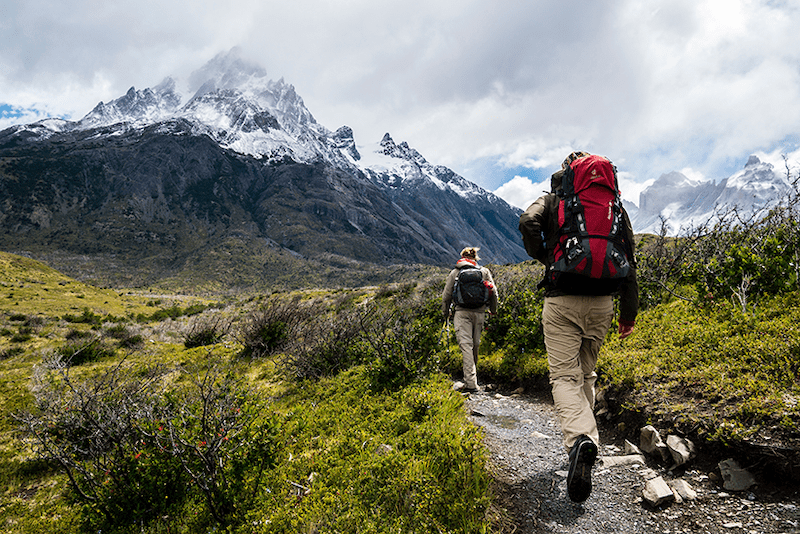
Altitude sickness may not affect you much at first, but if symptoms persist you need to be careful. People often don’t take it seriously, yet it can ruin your whole adventure and become dangerous if ignored.
Many visitors experience:
- Nausea
- Dizziness
- Headache
- Fatigue
- Vomiting
These symptoms can take about 12–20 hours to clear completely and usually come under control after acclimatisation. The rapid change in elevation puts a lot of pressure on the body, which is also why the descent can be tough.
How to Manage Altitude Sickness
Altitude sickness can be kept under control when it is dealt with properly and in time. Chewing coca leaves is the traditional remedy in Cusco, but the most important thing is to listen to your body and act accordingly.
- Don’t push yourself beyond your limits.
- Rest whenever you feel unwell.
- Consult your doctor before travelling to Peru about modern altitude sickness medication.
4. The Entire Route Has Surprises
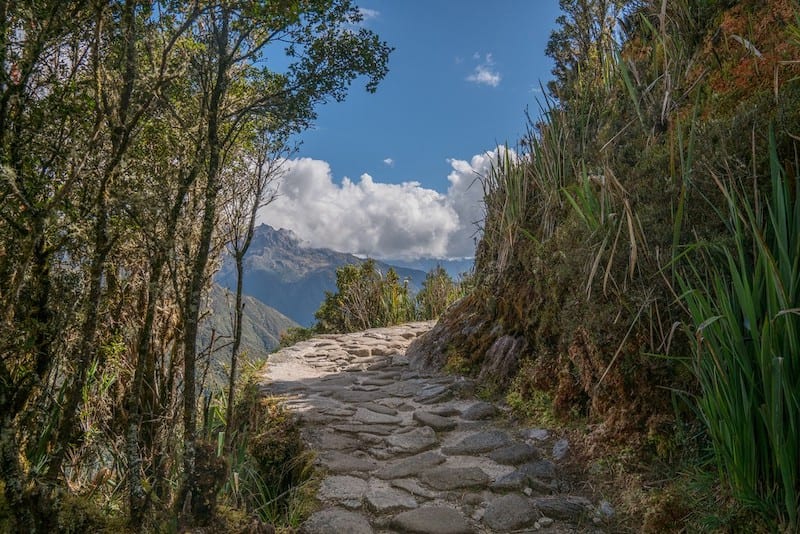
The whole Inca Trail adventure is unforgettable, but the real gem waits at the end. Along the way, the remains of fortifications are fascinating, and each part of the trek has its own significance and intriguing history.
Consider taking a guide so you learn the story behind every section. Take your time exploring the ruins: you won’t hike the Classic Inca Trail every day, so make the most of it. And keep spare batteries for your camera.
5. Focus on Enjoying More Than Taking Pictures
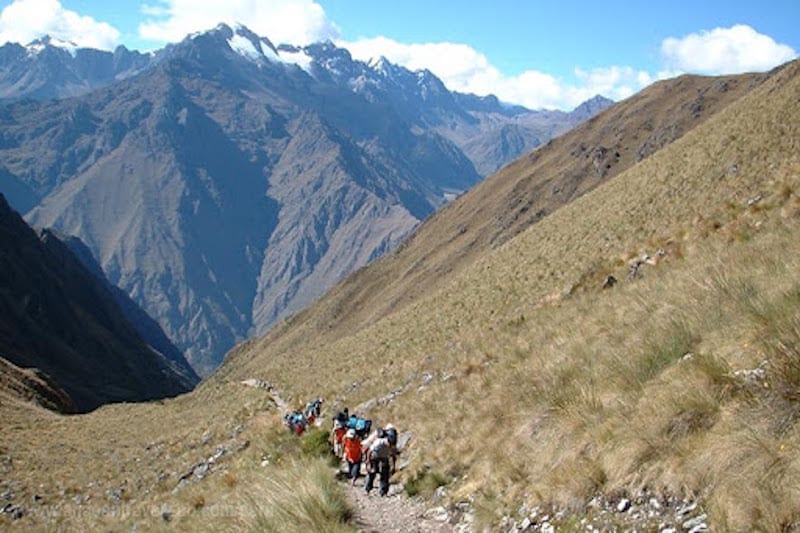
Many trekkers spend most of their time taking photos. The scenery is so enchanting that reaching for the camera is the first instinct.
The highlight of the Inca Trail is Inti Punku, the Sun Gate. It is the last stop of the trek and the traditional main entrance to Machu Picchu, and the majestic sunrise view here rewards all your effort. Relax, take a few photos in the golden light, and then put the camera away.
Take the time to soak up the natural beauty of the place. Getting lost in taking pictures can make you miss the overwhelming experience it offers.
Frequently Asked Questions
What is the highest point on the Inca Trail?
Dead Woman’s Pass, at 4,213 metres. The descent from the pass is steep, so trekking poles from Cusco are a good idea.
How can I deal with altitude sickness on the Inca Trail?
Acclimatise, rest when you feel unwell, don’t push beyond your limits, and talk to your doctor about medication before your trip. Coca leaves are the traditional local remedy.
What is the Sun Gate?
Inti Punku, or the Sun Gate, is the final point of the Classic Inca Trail and the main entrance to Machu Picchu, famous for its sunrise views.
Should I hike the Inca Trail with a guide?
A guide helps you understand the history of each section and the ruins along the way.
Conclusion
The Inca Trail is much more than a route to Machu Picchu. Prepare for the steep descents and the altitude, embrace local traditions, and slow down to enjoy the journey, and the Classic Inca Trail will reward you with memories that last a lifetime.