
Manu National Park Animals
Quick answer: Manu National Park animals include more than 1,000 bird species, over 222 mammal species, more than 239 amphibian and reptile species and tens of thousands of insects. Highlights include macaws at clay licks, the hoatzin, tapirs, jaguars, giant otters, 14 species of monkey and anacondas.
A wildlife-spotting tour to see Manu National Park animals is one of the most popular activities in the Peruvian Amazon. Manu is a UNESCO World Heritage Site and a biosphere reserve, and it is among the largest protected areas in Peru, home to a remarkable range of animals and plants.
Why Manu Is So Rich in Wildlife
The Manu Rainforest is widely regarded as one of the most biodiverse places on the planet. Travellers and wildlife photographers come here to learn about and photograph Manu National Park animals, from birds, reptiles and amphibians to the giant otter and the jaguar.
The park covers roughly 18,000 square kilometres, and this vast area supports an enormous variety of wildlife species. Well-placed lodges in the Manu area help visitors make the most of their time in the forest.

Manu National Park Animals You Might See
Besides stunning scenery, Manu Expeditions offer the chance to see a wide range of fauna. You won’t see everything, but you may spot some of the most important species. Here is a quick look.
Birds (over 1,000 species)
- Hoatzin: a strange, famously smelly bird whose chicks can clamber through waterside vegetation using claws on their wings.
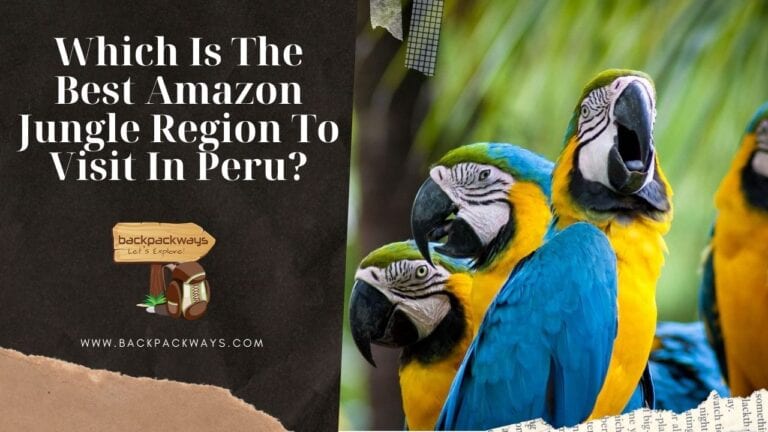
- Macaws: bright, colourful parrots that gather at the park’s clay licks.
- Tanagers: the park is home to a large number of these small, colourful birds.
Mammals (over 222 species)
- Amazonian tapir: can be seen at the river’s edge and around mammal clay licks.
- Jaguar: the large spotted cat is shy, but lucky visitors may see one on the riverbank or at a clay lick.
- Monkeys: the park is home to 14 species of monkey.
- Giant otter: one of the park’s signature species.
Amphibians and Reptiles (more than 239 species)
- Anaconda: this large snake lives near oxbow lakes and other wetlands in Manu National Park. Anacondas are shy and can be difficult to spot.
- Frogs: Manu has a wide variety of frogs, from unusual tree frogs to brightly coloured poison dart frogs.

Insects (more than 50,000 species)
- Dung beetles and leafcutter ants are common sights.
- Katydids are often seen on night walks. They are so well camouflaged that few people notice them, so watch carefully where you step and put your hands.
A Manu Wildlife Tour Is Educational and Fun
Manu National Park is a wonderful place to experience the wonder of nature and learn about many different species. It is also a great choice if you are looking for a peaceful holiday away from the crowds.
Frequently Asked Questions
What animals live in Manu National Park?
Manu is home to over 1,000 bird species, more than 222 mammals, over 239 amphibians and reptiles and more than 50,000 insects, including macaws, jaguars, tapirs, giant otters, monkeys and anacondas.
Can you see jaguars in Manu?
Jaguars are shy, but lucky visitors sometimes see them along the riverbanks or at clay licks.
How many monkey species are in Manu National Park?
The park is home to 14 species of monkey.
Conclusion
From macaws and tanagers to tapirs, jaguars and poison dart frogs, Manu National Park animals make this corner of the Peruvian Amazon a paradise for nature lovers. Plan a trip with friends and family to see the wildlife and relax in the lap of nature.