

10 Things To Do In Rio De Janeiro
Quick answer: The top things to do in Rio de Janeiro are sunbathing on Copacabana and Ipanema, climbing Corcovado to Christ the Redeemer, riding the Sugarloaf cable car, experiencing Carnival, visiting Maracanã, walking the Selarón Steps, touring a favela, exploring the Jardim Botânico, bar hopping in Lapa and escaping to Paraty.
Rio de Janeiro is the second largest city in Brazil, a place where you spend your days on the beach and your nights in the clubs. It combines stunning natural attractions with a sprawling metropolis. Here are 10 things to do in Rio de Janeiro for an unforgettable trip.
10 Things to Do in Rio de Janeiro
1. Get a Tan on Copacabana and Ipanema
Copacabana and Ipanema are the city’s two most famous beaches. They sit close to each other, but each has its own distinct charm: Copacabana has more daytime activity, while Ipanema is known for its classy nightlife and restaurants.

2. Climb Corcovado Mountain
Perched on top of Corcovado, the renowned statue of Christ the Redeemer stands with open arms, gazing serenely over the city. Around 125 ft tall including its pedestal, it is one of the New Seven Wonders of the World and can be seen from almost anywhere in the city.
The climb to the summit is rewarded with a view of the entire city.

3. Ride the Sugarloaf Mountain Cable Car
Famous for its cable car, Sugarloaf Mountain offers a panoramic view of the entire city. Visiting at dawn or dusk is strongly recommended, to watch the sun rise or set over Rio.
To reach the summit you ride two cable cars: the first stops at Morro da Urca, and the second takes you to the top. Each leg takes 3 to 4 minutes, and the bubble-shaped cars offer a 360-degree view of the city, making the ride itself an enchanting experience.

4. Experience the Carnival
Rio de Janeiro hosts the world’s largest and most famous carnival, held every year before Lent. The streets fill with revellers, floats and costumes from the different samba schools. Plan your trip well in advance to score a good deal on hotels.
Backpackways.com recommends staying at othersidehostel, located right next to the Sambadrome. Its dorms are inexpensive and offer a great stay.

5. Visit the Maracanã Stadium
One of the largest stadiums in the world, Maracanã can hold up to 78,838 supporters at a time. If you are lucky, you may see Marcio Pereira da Silva, an impersonator of former Brazilian footballer Pelé, juggling a ball with his knees and shoulders.

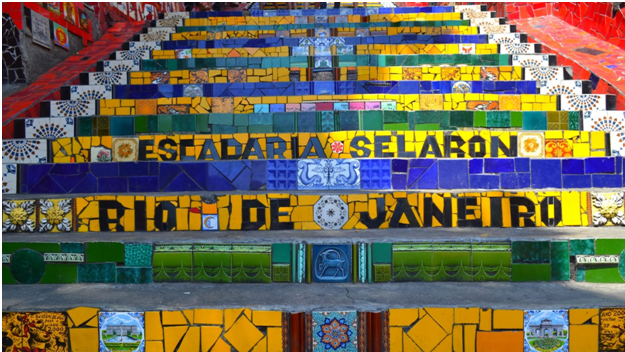
6. Walk Up the Escadaria Selarón
The Escadaria Selarón, or “Selarón Steps”, is a set of 250 steps covered in over 2,000 brightly coloured ceramic tiles from more than 60 countries. The steps are in the Lapa neighbourhood, known for its lively cultural life and vibrant bars.
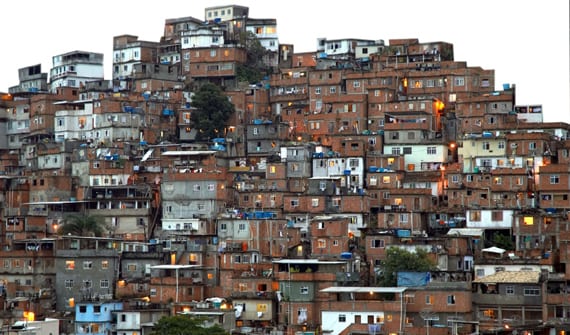
7. Wander Through the Favelas
Drug gangs, gunfights and poverty once ruled these hillside shanty towns on the edge of the city. Some favelas have since become a touristic part of Rio, and it is worth taking a tour to marvel at how the houses cling to the steep hillsides.
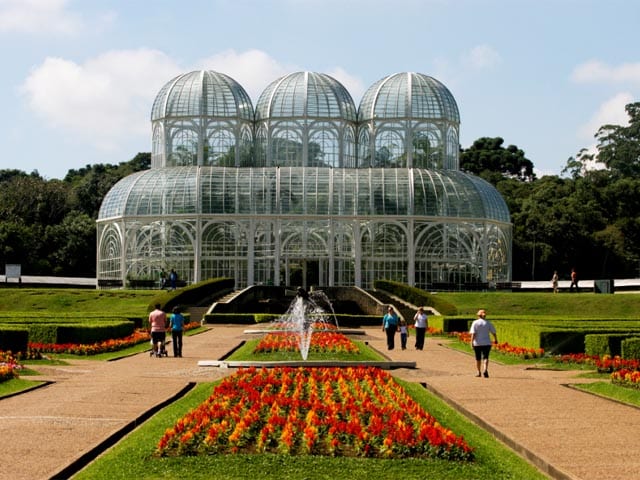
8. Tour the Jardim Botânico
The Jardim Botânico spreads over 130 hectares with over 8,000 species of plants. The garden is calm and serene on weekdays and fills with families and music at weekends.
9. Go Bar Hopping in Lapa
Rio has a vibrant variety of bars, and Lapa is the favourite area for bar hopping. Once an edgy neighbourhood, it is now the city’s most exuberant area after sunset. Every bar has its own charm, each offering something a little different.

10. Get Out to Paraty
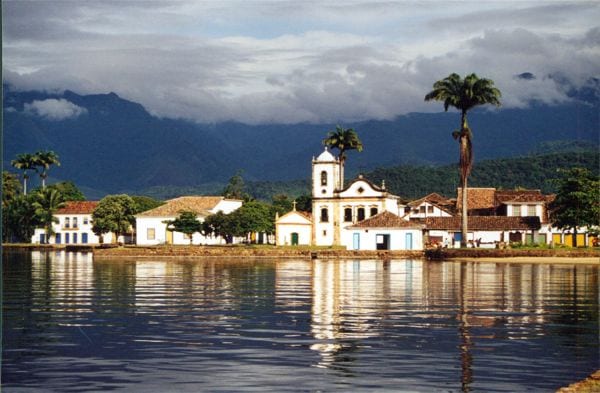
Paraty (or Parati) is a historic Portuguese colonial town on the coast of Rio de Janeiro state, known for its well-preserved old buildings along pedestrian-only cobblestone streets.
Admired for its scenic beauty, it is a perfect place for a restful break. In the evening you may catch a band, a capoeira demonstration or even a Carnival rehearsal near the main square. Paraty is full of delightful surprises!
- Getting there: Costa Verde runs buses from Rio de Janeiro, taking about 4 hours.
- Where to stay: Backpackways.com recommends Casa Blanca Paraty Hostel, right in the centre of the old town, which has received tons of positive reviews for affordable accommodation and incredible service.
Frequently Asked Questions
When is the Rio Carnival held?
Every year before Lent. Book early to get a good deal on accommodation.
How do you get to the top of Sugarloaf Mountain?
By two cable cars, with a stop at Morro da Urca in between. Each leg takes around 3 to 4 minutes.
Where is the best area for nightlife in Rio de Janeiro?
Lapa is the most popular area for bar hopping, and Ipanema is known for classy nightlife and restaurants.
How long does it take to get from Rio to Paraty?
About 4 hours by Costa Verde bus.
Conclusion
From golden beaches and mountain-top views to samba, football and colonial Paraty, these things to do in Rio de Janeiro capture the energy of the Cidade Maravilhosa. Plan ahead, especially for Carnival, and enjoy every moment.







good information and entertaining, keep it up, I really enjoyed reading your experience.
Brazil is a stunning place and I’d love to visit it, just that currently this zika virus epidemic has kicked in. I am very sorry for the people affected in this beautiful country! In the future I will explore Brazil too!
Favela wanderings are very dangerous even if you have a guide to take you in. It is not recommended to get anywhere near a favela and even the organized tours are being arranged in less dangerous parts (some of those areas have changed in recent years, but used to be dangerous favelas).
In fact, favela tour guides are frequently paid off, so that they “take care” and “ensure” the security of the travelers entering them…