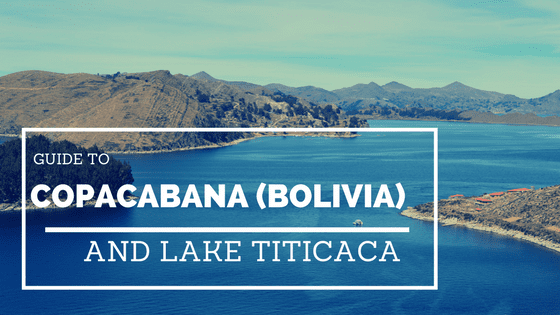
Guide To Copacabana (Bolivia)
Quick answer: Copacabana in Bolivia is the jump-off point to Lake Titicaca, the world’s highest navigable lake at about 3,800 metres above sea level. This guide to Copacabana covers how to get there from La Paz and Puno, boat trips to Isla del Sol and Isla de la Luna, the Cerro Calvario viewpoint, the market, lakeside trout and vegetarian food.
Lake Titicaca is one of the unmissable attractions in Bolivia. Even if you have already been to the islands on the Peruvian side, you will certainly appreciate the beauty of Isla del Sol and Isla de la Luna on the Bolivian side.
Getting to Copacabana, Bolivia
From La Paz
From the main bus terminal in La Paz, a few tourist bus companies run a daily direct service to Copacabana. The trip takes 3–3.5 hours and costs 25–30 Bolivianos. Buses also leave regularly from Terminal Cementerio.
The bus drops you at the agency office next to Plaza Sucre, and most hostels and hotels are just a few metres from the stop.
Note: At one point you have to get off the bus and buy a boat ticket for 2 Bolivianos to cross a section of the lake. Take all your valuables with you, as the bus is transported separately on a barge. On the other side, the bus will pick you up after 5–10 minutes.
From Puno (Peru)
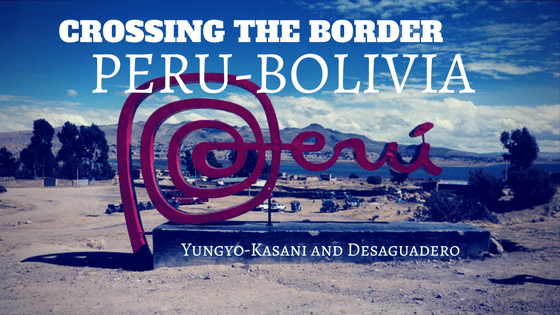
Buses leave the main terminal every morning at 07:30 and 08:30. Tur Bus has an afternoon service to Copacabana. The journey takes approximately 3 hours, including the border crossing at Kasani.
The bus terminates at the agency office next to Plaza Sucre, a few metres from most hostels and hotels.
Bolivia Hop runs services to and from La Paz and Puno in Peru. They provide passenger assistance in Spanish and English at the border, offer hostel transfers and have discounts at certain hostels. They also run tours of the lake with their tour company Find Local Trips.
Things to Do in Copacabana
Take a Trip to Isla del Sol and Isla de la Luna
Isla del Sol
Isla del Sol (Island of the Sun) is the most prominent attraction on the Bolivian side of Lake Titicaca. The main sights on the south side of the island include:
- Fuente del Inca: a spring with three pipes, each said to give water with a distinct taste.
- The ruins of the Sun Temple: one of the island’s major attractions, and the source of its name. Tradition holds that this is where the Sun God sent Manco Cápac and Mama Ocllo, the founders of the Inca dynasty, to earth.
There are numerous restaurants and hostels on the island if you plan to spend a night. Food is more expensive than in Copacabana, but hostels cost around 20 Bolivianos a night with basic facilities.

Isla de la Luna
Isla de la Luna, also known as Coati in Aymara, is a small island near Isla del Sol. It is so small that you can walk the entire island in an hour.
The main attraction is Iñak Uyu (House of Women), the ruins of the Temple of the Virgins of the Sun, which resembles an amphitheatre. Girls from Isla del Sol gathered here and were guided by an older woman (Mamacona) on their responsibilities and life after marriage.

Getting to the islands
Buy tickets from one of the travel agencies in Copacabana. Boats leave at 08:30 and 13:30 from the pier next to the anchor monument.
| Journey time | About 1 hour from Copacabana |
| One-way ticket (if staying overnight) | 20 Bolivianos |
| Same-day round trip | 30 Bolivianos |
| Island entry | 10 Bolivianos per island |
See Copacabana and Lake Titicaca from Cerro Calvario
Cerro Calvario sits on the edge of town, with crosses perched on top of the hill. It’s a nice walk up that can help you get used to the altitude, with 14 points along the way, each marked with a cross. It’s the best place to watch the sun set over Lake Titicaca.
Getting there: From Plaza Sucre, walk four blocks along 3 de Mayo until you see a flight of stairs going up the hill.

Visit the Local Market
Copacabana’s main tourist street is Av. 6 de Agosto, lined with restaurants, tour agencies and souvenir shops. The Mercado Central (Central Market) is next to Plaza 2 de Febrero.
Try the local buñuelos (deep-fried dough with honey and powdered sugar), sold around the central market for 6 Bolivianos for 12 pieces.
Enjoy the Sunset While Dining on Trout
Seeing the sun set over Lake Titicaca has been one of my most unforgettable experiences so far, and every dusk casts a different hue. Just walk to one of the colourful kioskos on the lakefront, where local women will try to charm you inside to enjoy trout, one of Copacabana’s famous dishes.

Vegetarian Restaurants in Copacabana
Unlike in La Paz or most other Bolivian cities, finding a good vegetarian meal in Copacabana is quite easy, with a few vegan and vegetarian-friendly restaurants.
Hostal Joshua and Restaurant is a vegan restaurant inside the hostel. They serve daily meals with vegan options, plus protein bars, energy juices and more. Their falafel and hummus sandwiches to take away cost 15 Bolivianos, ideal for a day trip on the lake.
Frequently Asked Questions
How long does it take to get from La Paz to Copacabana?
Around 3–3.5 hours by tourist bus, costing 25–30 Bolivianos, including a short boat crossing of the lake.
How do I get from Puno to Copacabana?
Buses leave Puno’s main terminal at 07:30 and 08:30, with an afternoon Tur Bus service. The trip takes about 3 hours including the border crossing at Kasani.
How much does a boat to Isla del Sol cost?
A same-day round trip costs 30 Bolivianos, a one-way ticket 20 Bolivianos, plus 10 Bolivianos to enter each island.
Where is the best sunset view in Copacabana?
Cerro Calvario, the hill with 14 crosses on the edge of town, is the best place to watch the sun set over Lake Titicaca.
Conclusion
Copacabana is far more than a stopover between Peru and La Paz. With island trips to Isla del Sol and Isla de la Luna, sunset hikes, lakeside trout and easy vegetarian food, it deserves a spot on any Bolivia itinerary.